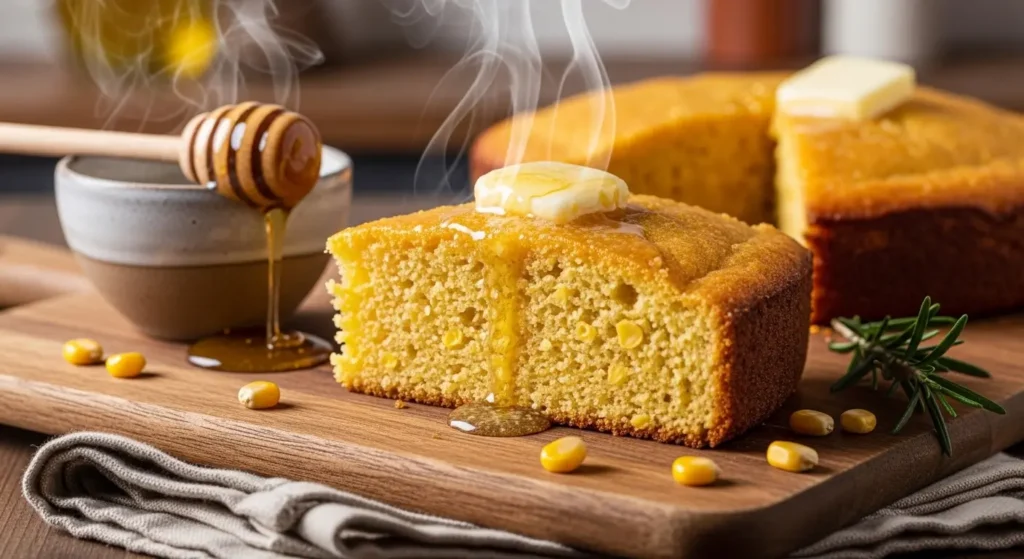
Cornbread is a beloved comfort food that has been a staple in many cultures for generations. Made primarily from cornmeal, it has a slightly sweet flavor with a moist, crumbly texture that pairs wonderfully with savory dishes. Whether baked in a skillet, pan, or cast iron dish, cornbread is versatile and can be enjoyed with anything from chili to roasted meats. In this article, we’ll explore the history of cornbread, the basic recipe, and some delicious variations.
Why Cornbread is a Favorite
A Simple Yet Flavorful Dish
Cornbread is loved for its simplicity and the balance of flavors it brings to the table. Made from basic ingredients like cornmeal, flour, butter, eggs, and milk, it’s an easy dish to prepare. Despite its simplicity, cornbread is packed with flavor, offering a slight sweetness from the cornmeal and richness from the butter. The texture is crumbly and light, making it the perfect accompaniment to a variety of main dishes. Its simplicity and delicious flavor have made it a family favorite for generations.
Perfect for Pairing with Savory Dishes
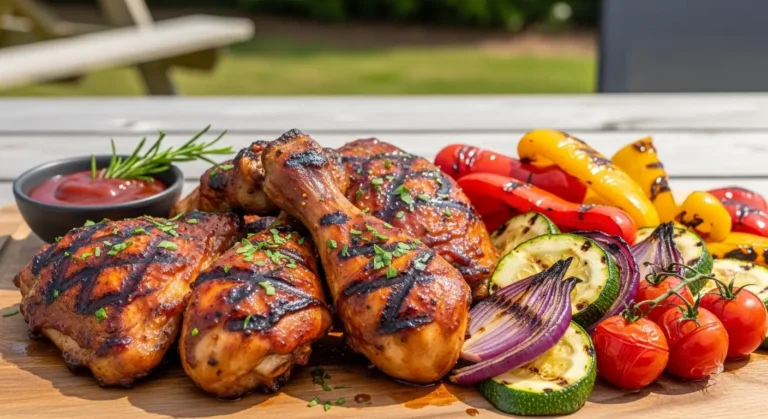
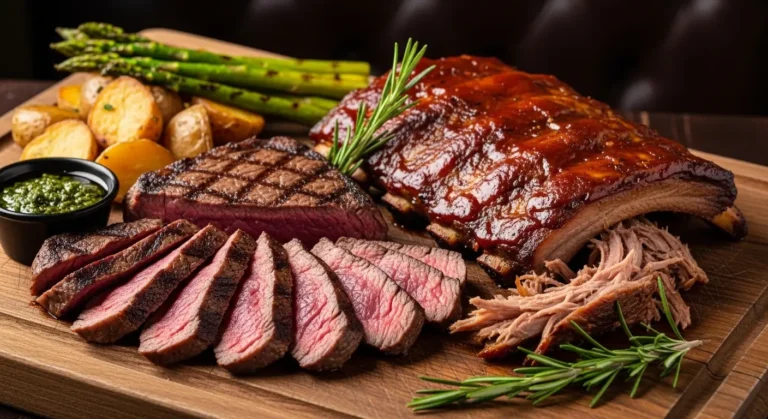
One of the reasons cornbread is so popular is because it pairs perfectly with a wide range of savory dishes. It’s often served alongside chili, stews, barbecued meats, or fried chicken. The sweet, buttery taste of cornbread complements spicy or tangy flavors, creating a perfect balance. The soft, crumbly texture soaks up sauces and gravies, enhancing the flavors of whatever dish it accompanies. Whether served at a summer barbecue or a cozy winter meal, cornbread is a versatile side dish.
A Quick and Easy Recipe
Cornbread is incredibly easy to make, requiring just a few simple ingredients and minimal preparation time. It can be whipped up in less than an hour, making it an ideal side dish for busy weeknights or last-minute gatherings. Most recipes only call for mixing the ingredients, pouring them into a pan, and baking. Whether you bake it in a traditional square pan, a skillet, or as muffins, cornbread is a quick and satisfying way to complete any meal.
A Piece of Tradition
Cornbread has deep roots in Southern and Native American cuisines, where it has been passed down through generations. It was initially made with cornmeal because corn was a widely available and affordable staple crop. Over time, cornbread recipes have evolved, with many variations depending on the region and personal preferences. Whether served with beans, greens, or as a standalone treat, cornbread is not just a side dish but a cultural tradition in many homes.
Key Ingredients for Cornbread
Cornmeal
The primary ingredient in cornbread is cornmeal, which gives the bread its signature texture and flavor. Cornmeal is made by grinding dried corn kernels into a coarse or fine powder, depending on the desired texture. It adds a slightly nutty, sweet flavor to the bread and provides a crumbly, grainy texture. Using good-quality cornmeal is crucial to achieving the perfect cornbread, as it imparts the most flavor. Cornmeal can be found in various grinds, such as fine, medium, and coarse, which all affect the final texture.
Flour
Flour is used in combination with cornmeal to give the cornbread structure and help it rise. While cornmeal provides flavor and texture, flour ensures that the cornbread holds together and doesn’t crumble too easily. Most cornbread recipes use all-purpose flour, but some variations may use self-rising flour for a lighter, fluffier result. The balance of flour to cornmeal will impact the texture, so it’s essential to follow the recipe to get the right consistency.
Eggs and Milk
Eggs and milk are crucial for binding the ingredients together and providing moisture. Eggs help give the cornbread structure and a slightly firm texture, while milk adds richness and tenderness. Some recipes may use buttermilk, which gives the cornbread a tangy flavor and a softer crumb. The combination of eggs and milk ensures that the cornbread stays moist while maintaining its crumbly, yet firm, consistency.
Butter or Oil
Butter is often used in cornbread for flavor and moisture. It adds richness and a slightly sweet, creamy flavor that enhances the cornmeal. For a more neutral flavor, you can substitute oil, which also helps to keep the cornbread moist. Butter is also used for greasing the pan, which helps create a crispy, golden crust. Whether using butter or oil, both ingredients contribute to the overall flavor and texture of the cornbread.
How to Make the Perfect Cornbread
Mix the Dry Ingredients
Start by combining the cornmeal, flour, baking powder, sugar, and salt in a large bowl. Mixing the dry ingredients ensures that the baking powder is evenly distributed, which helps the cornbread rise evenly. The sugar adds a slight sweetness to the cornbread, balancing the savory flavors. Once the dry ingredients are well combined, you can move on to the wet ingredients.
Combine the Wet Ingredients
In a separate bowl, whisk together the eggs, milk (or buttermilk), and melted butter (or oil). The wet ingredients should be well mixed before adding them to the dry ingredients. If you’re using buttermilk, it will give the cornbread a slightly tangy flavor, which works beautifully with the sweetness of the cornmeal. The melted butter will add richness and help create a moist, tender cornbread.
Mix the Wet and Dry Ingredients
Once both the wet and dry ingredients are prepared, pour the wet mixture into the dry ingredients. Stir gently until just combined, being careful not to overmix. Overmixing can lead to dense cornbread, so only mix until the ingredients are incorporated. The batter should be thick, but not too dry. If you find that the batter is too thick, you can add a little more milk to reach the desired consistency.
Bake the Cornbread
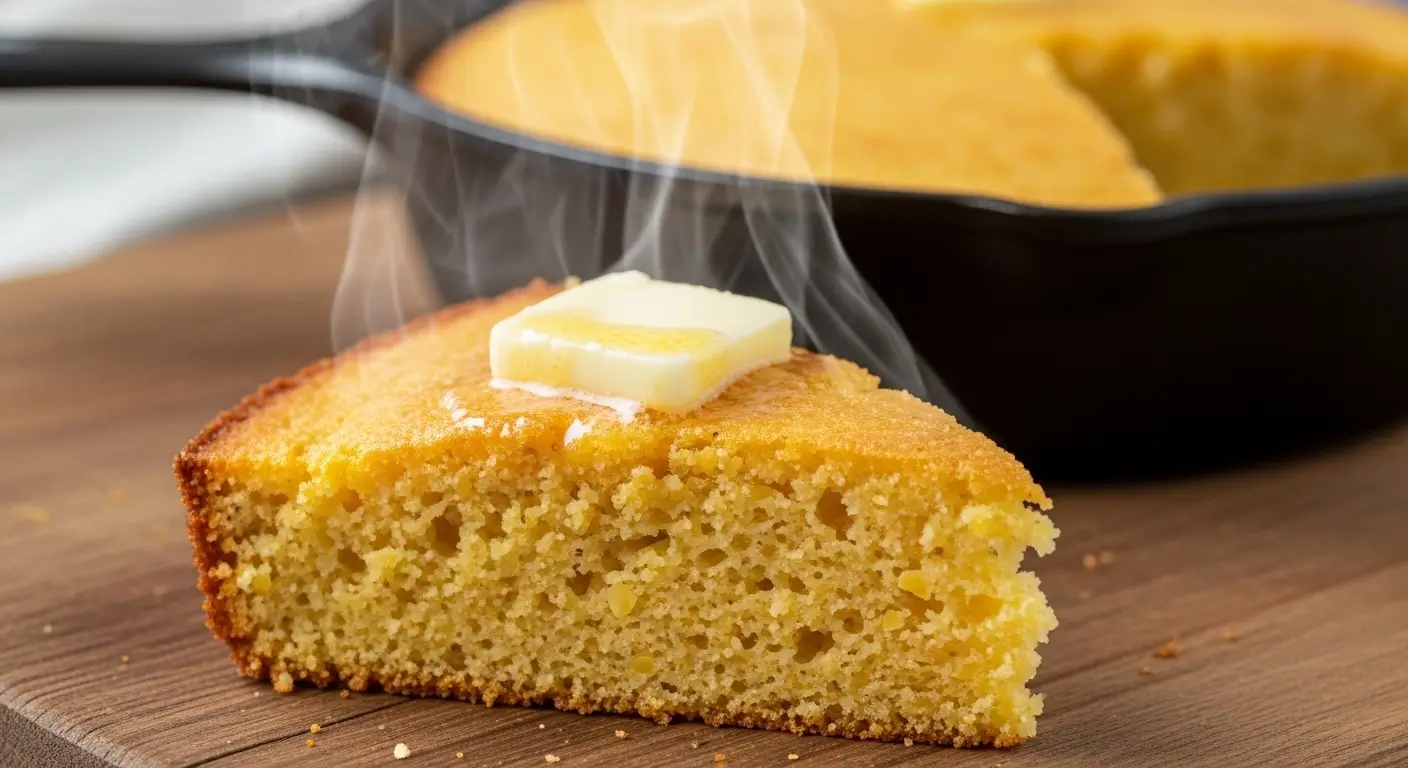
Preheat the oven to 400°F (200°C). Pour the cornbread batter into a greased baking dish or a cast-iron skillet for a crispy crust. Bake for 20-25 minutes, or until a toothpick inserted into the center comes out clean. The cornbread should have a golden-brown top and a slightly firm texture. For an extra crispy edge, you can bake the cornbread in a preheated skillet with some melted butter. Let it cool for a few minutes before slicing and serving.
Variations of Cornbread
Sweet Cornbread
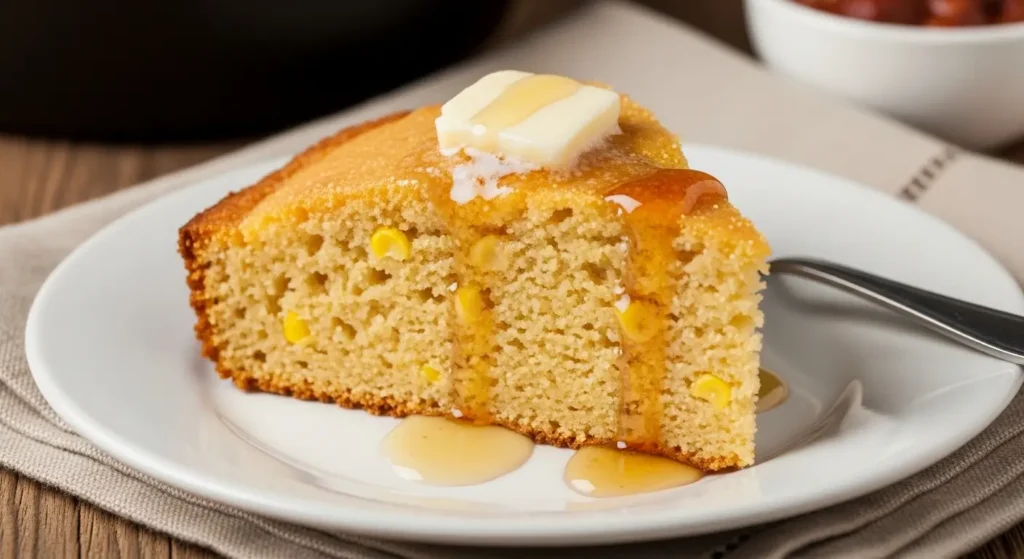
For those with a sweet tooth, sweet cornbread is a delicious variation. This version adds extra sugar or honey to the batter, making it a bit sweeter. It pairs beautifully with chili, stews, or barbecue, offering a perfect balance of savory and sweet. You can also add a bit of cinnamon or vanilla for extra flavor. Sweet cornbread is a great choice for those who prefer a dessert-like side dish.
Savory Cornbread
Savory cornbread includes ingredients like cheese, bacon, or jalapeños to create a flavorful, hearty bread. The addition of cheese gives the cornbread a creamy texture, while bacon adds a savory, smoky flavor. Jalapeños can give the cornbread a spicy kick. Savory cornbread works wonderfully as a side to chili, soups, or roast meats. It’s a more robust version of the classic, offering a unique flavor profile.
Skillet Cornbread
Skillet cornbread is made by baking the batter in a hot cast-iron skillet, which creates a deliciously crispy, golden crust. The skillet helps the cornbread cook evenly and develop a nice crust around the edges. This version is perfect if you’re looking for a slightly crunchy texture in your cornbread. For a buttery finish, you can melt butter in the skillet before pouring in the batter.
Cornbread Muffins
Cornbread muffins are an easy, individual version of traditional cornbread. They’re made by pouring the batter into a muffin tin and baking for about 15-20 minutes. Cornbread muffins are perfect for individual servings and can be easily transported for picnics or potlucks. They’re ideal for serving at a barbecue or as a side to any meal that requires a bread component.
FAQs
Can I make cornbread without eggs?
Yes, you can use egg substitutes like flax eggs, applesauce, or yogurt to make cornbread without eggs. The texture may vary slightly, but the flavor will still be delicious.
Can I use self-rising flour for cornbread?
Yes, self-rising flour can be used in place of all-purpose flour. Just omit the baking powder, as self-rising flour already contains leavening agents.
How can I keep cornbread from getting dry?
To keep cornbread moist, be sure not to overbake it. You can also add extra butter or oil to the batter for more moisture. If your cornbread does turn out dry, serve it with gravy or a dollop of butter.
Can I freeze cornbread?
Yes, you can freeze cornbread. Wrap it tightly in plastic wrap and store it in an airtight container or freezer bag for up to 3 months. Reheat it in the oven before serving.
How do I make cornbread extra fluffy?
For fluffier cornbread, make sure to sift the dry ingredients to ensure even mixing. Also, avoid overmixing the batter and allow the baking powder to do its job by not stirring too much.
Conclusion
Cornbread is a classic, comforting dish that pairs well with almost any savory meal. Its simple ingredients and easy preparation make it a go-to side dish, while its versatility allows for countless variations. Whether you prefer it sweet or savory, in a skillet or as muffins, cornbread is sure to satisfy. Enjoy it as part of a hearty meal or as a standalone snack, and it will never disappoint.