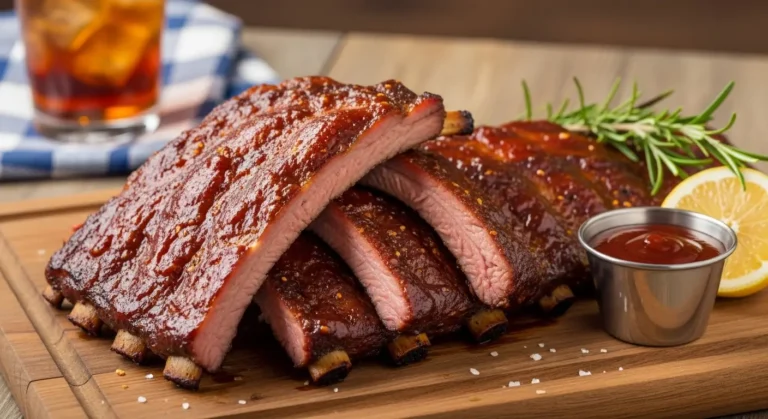
Fresh iced tea is a timeless and refreshing drink that offers the perfect balance of flavor, coolness, and versatility. Whether enjoyed on a hot summer day, paired with a light meal, or served at a gathering, iced tea provides a crisp and thirst-quching experience. With its simple ingredients and endless customization options, fresh iced tea is easy to make and can be tailored to suit any taste preference.
The Origins of Iced Tea
The Birth of Iced Tea
Iced tea has roots that trace back to the early 19th century, but it truly gained widespread popularity in the United States during the 1904 World’s Fair in St. Louis. The story goes that Richard Blechynden, a tea merchant, was struggling to sell hot tea on a particularly hot day at the fair. In a stroke of innovation, he decided to serve the tea chilled with ice. The refreshing drink quickly became a hit, and from that moment on, iced tea became an iconic beverage in American culture.
The Global Influence of Iced Tea
Although iced tea is most commonly associated with the U.S., it has become a beloved beverage worldwide. In countries like India, China, and the Middle East, tea has been consumed for centuries, often in hot form. As global travel and trade expanded, iced tea spread to other parts of the world, where people began experimenting with different varieties and flavors. Today, iced tea is enjoyed in many forms—sweetened, unsweetened, flavored, or even spiced—depending on regional preferences.
Iced Tea in the Modern Era
In modern times, iced tea continues to be a favorite beverage due to its health benefits, variety of flavors, and versatility. From artisanal varieties at cafes to ready-to-drink bottles in stores, iced tea has evolved to cater to every taste. Additionally, the rise of health-conscious trends has contributed to iced tea’s appeal, as it offers a refreshing, low-calorie alternative to sugary sodas and other sweetened beverages.
The Ingredients for Fresh Iced Tea
Tea Leaves
The most important component of any iced tea is the tea itself. You can make iced tea from any type of tea, including black, green, white, oolong, or herbal tea. Each type of tea has a distinct flavor profile, with black tea being the most commonly used for iced tea due to its rich, robust flavor. Green tea is often chosen for its light, crisp notes, while herbal teas such as mint, chamomile, and hibiscus offer unique flavor experiences.
Water
Since iced tea is mostly water, it’s essential to use clean, fresh water for brewing. The quality of your water can significantly impact the taste of your tea. Filtered or spring water is usually preferred, as tap water with high mineral content can sometimes affect the flavor.

Sweeteners (Optional)
Sweetening your iced tea is optional, depending on your preference. The most common sweeteners used in iced tea are sugar, honey, agave nectar, or simple syrup. For those seeking a healthier option, stevia or monk fruit can also be used as sugar substitutes. The sweetener can be adjusted to taste, depending on how sweet you prefer your tea.
Citrus (Optional)
Citrus fruits like lemon, lime, and orange can add a bright and refreshing touch to iced tea. Squeezing a bit of fresh lemon juice into your iced tea or adding lemon slices enhances its flavor and provides a tangy contrast to the tea’s natural sweetness. You can also experiment with other fruits like berries or peaches for a more fruity iced tea.
Ice
The ice in fresh iced tea is essential for achieving that crisp, chilled experience. To avoid diluting your tea too quickly, consider making ice cubes from the same tea you’re brewing. This will ensure that your tea remains flavorful as the ice melts. Alternatively, ice cubes made from fruit juices like lemon or lime juice can add an extra layer of flavor.
How to Make Fresh Iced Tea
Step 1: Brew the Tea
Start by boiling water. The temperature of the water should depend on the type of tea you are using:
- Black tea: Boil water to 212°F (100°C).
- Green tea: Boil water to 175°F (80°C).
- Herbal tea: Boil water to 212°F (100°C).
Add 1 tea bag or 1 teaspoon of loose-leaf tea per cup of water to a heatproof container. Pour the hot water over the tea and let it steep for the appropriate time:
- Black tea: Steep for 4-5 minutes.
- Green tea: Steep for 2-3 minutes.
- Herbal tea: Steep for 5-7 minutes.
Steeping the tea for too long can result in bitterness, especially with black tea, so be sure to monitor the time closely.
Step 2: Sweeten the Tea (Optional)
While the tea is still warm, add sweetener to taste if you want a sweetened iced tea. Stir the sweetener into the tea until it’s fully dissolved. If you’re using simple syrup, this will easily blend with the tea, ensuring a smooth sweetness without any graininess.
If you prefer unsweetened iced tea, skip this step and proceed to the next one.
Step 3: Cool the Tea
After the tea has finished steeping, allow it to cool at room temperature for 10-15 minutes. Once it has cooled slightly, transfer the tea to the refrigerator to chill for at least 1-2 hours. If you want your iced tea to cool faster, you can place the container in an ice bath.
Step 4: Serve Over Ice
Once the tea is chilled, fill a glass with ice cubes. Pour the cooled tea over the ice and stir gently to combine. For extra flavor, you can add a squeeze of lemon or a few fresh herbs like mint to the glass.
Step 5: Garnish and Enjoy
If desired, garnish your iced tea with lemon slices, mint leaves, or even a splash of fruit juice for an added burst of flavor. Serve the tea immediately and enjoy the refreshing taste of homemade iced tea.
Tips for the Best Fresh Iced Tea
Use Loose-Leaf Tea
While tea bags are convenient, loose-leaf tea typically provides a higher-quality brew with better flavor. Loose-leaf tea leaves are larger and less processed, resulting in a cleaner, fuller taste. If you use tea bags, opt for high-quality, whole-leaf tea bags for the best flavor.
Experiment with Flavors
Fresh iced tea is incredibly versatile. While lemon is a classic addition, you can experiment with other flavors to create your perfect iced tea:
- Add fruits like raspberries, peaches, or berries for a fruity twist.
- Infuse your tea with herbs like mint, basil, or lavender for a more aromatic experience.
- Combine different teas for a unique flavor blend, such as mixing green tea with mint or black tea with peach.
Sweeten While Warm
If you’re planning to sweeten your iced tea, always add your sweetener while the tea is still warm. This ensures that the sweetener dissolves completely and doesn’t leave any undissolved granules in the tea.
Make Tea Ice Cubes
To keep your iced tea from getting watered down as the ice melts, consider making ice cubes from the same tea you brewed. This way, as the ice melts, it won’t dilute the flavor of the tea, keeping your drink as strong and flavorful as when you first made it.
Use Filtered Water
The quality of the water you use for brewing your iced tea can greatly impact the flavor. For the best taste, use filtered or spring water, as tap water with a high mineral content can sometimes give the tea a slightly off taste.
Variations of Fresh Iced Tea
Sweet Iced Tea
Sweet iced tea is a Southern classic. To make sweet iced tea, simply add a generous amount of sugar (usually 1 cup of sugar per 4 cups of water) while the tea is still hot. Stir until the sugar dissolves, then cool and serve over ice.
Lemonade Iced Tea (Arnold Palmer)
For a fun twist, combine fresh iced tea with lemonade to create an Arnold Palmer. This refreshing drink is a perfect blend of sweet tea and tangy lemonade, making it a favorite during the summer months.

Green Iced Tea
For a lighter, more delicate version of iced tea, try using green tea. It’s packed with antioxidants and has a mild, grassy flavor that pairs well with mint, honey, or citrus. You can also experiment with flavored green teas, like jasmine or chamomile, for added depth.
Fruity Iced Tea
For a fruity variation, add pureed fruits like strawberries, mangoes, or peaches to your iced tea. You can even freeze the fruit in ice cube trays and use the cubes in your drink for a visually appealing and flavorful twist.
Serving Fresh Iced Tea
Perfect for Hot Days
Fresh iced tea is the ultimate beverage for hot days, providing a cool, crisp refreshment that beats the heat. Serve it on a sunny patio, at a barbecue, or during a picnic to keep everyone refreshed and hydrated.
Pair with Light Meals
Iced tea pairs beautifully with a variety of light meals, such as salads, sandwiches, grilled chicken, or seafood. It complements the flavors of fresh, healthy dishes and can help balance the richness of heavier meals.
Serve at Gatherings
Fresh iced tea is a crowd-pleaser at any gathering, from casual get-togethers to formal events. You can easily make large batches to serve guests or set up a DIY iced tea station with different flavor options for everyone to enjoy.
FAQs
How long can I store fresh iced tea?
Fresh iced tea can be stored in the refrigerator for up to 3-5 days. Be sure to store it in an airtight container to preserve its freshness.
Can I make iced tea without sweetener?
Yes, you can make iced tea without any sweetener. Many people prefer unsweetened iced tea for its clean, refreshing taste, but it can be sweetened if desired.
Can I use decaffeinated tea for iced tea?
Yes, you can use decaffeinated tea for iced tea. The process of brewing and chilling is the same, and you can enjoy all the flavors without the caffeine.
Can I make iced tea with herbal teas?
Absolutely! Herbal teas, such as mint, chamomile, or hibiscus, make excellent iced teas. These teas offer unique flavors and can be enjoyed either sweetened or unsweetened.
Conclusion
Fresh iced tea is a simple yet satisfying drink that offers endless possibilities for customization. Whether you prefer it sweetened, fruity, or herbal, iced tea is the perfect beverage for a refreshing treat on a hot day. With its versatility, ease of preparation, and refreshing taste, it’s no wonder that fresh iced tea has remained a favorite for centuries.