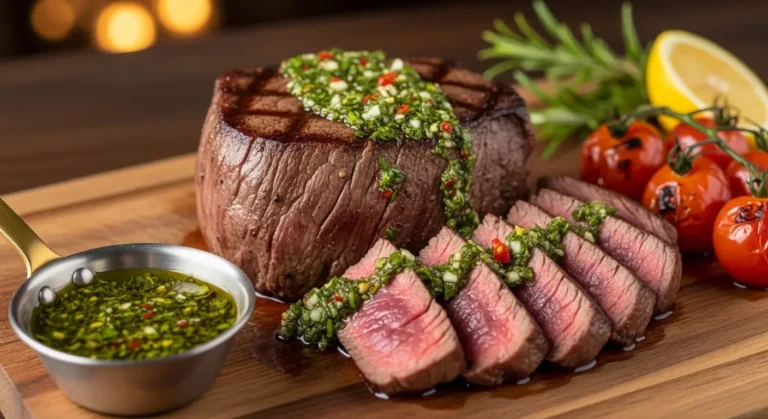
Melbourne Porterhouse is a premium cut of beef that combines tenderness and flavor in one satisfying steak. Known for its unique texture and bold taste, this cut has become a favorite among steak enthusiasts. In this guide, we will explore everything you need to know about Melbourne Porterhouse, from its origins to the best ways to cook and serve it.
The History and Origins of Melbourne Porterhouse
Origins of the Porterhouse Cut
Porterhouse is traditionally cut from the short loin section of the cow, known for its T-shaped bone, which separates two prized cuts: the tenderloin and the strip steak. While the Melbourne Porterhouse has the same basic origins as the classic Porterhouse, it is often associated with a slightly different preparation style and flavor profile due to regional influences.
The Evolution of Porterhouse in Australia
In Australia, the Porterhouse has gained significant popularity, often referred to as “New York Strip” in some regions. The Melbourne Porterhouse, in particular, is known for being especially well-marbled, offering a perfect balance of tenderness and beefy flavor. This cut has been refined in Australia’s top steakhouses, elevating it to a level of prestige on the international culinary scene.
Unique Characteristics of Melbourne Porterhouse
What sets the Melbourne Porterhouse apart is its rich flavor, enhanced by the abundant marbling and the T-shaped bone that imparts extra depth during cooking. The tenderloin portion is typically larger in the Melbourne version, making it a perfect cut for those who love the buttery tenderness of filet mignon combined with the heartier, more flavorful strip steak.
Porterhouse’s Rise to Popularity
Porterhouse cuts have always been synonymous with luxury dining, often seen as the ultimate steak to serve at upscale steakhouses. In Melbourne, this cut has been further elevated, with chefs putting their own regional spin on preparation methods. It has become a standard choice for those looking for an indulgent and satisfying steak experience.
Characteristics of Melbourne Porterhouse
Marbling and Tenderness
Melbourne Porterhouse is known for its exceptional marbling. The fat veins running through the muscle fibers melt as the steak cooks, infusing the meat with rich flavors and keeping it juicy. The combination of the tenderloin and strip steak portions also adds a delightful contrast of textures, making each bite a delicious experience.
Size and Serving Suggestions
Typically, a Melbourne Porterhouse steak is large, often weighing between 18-22 ounces. This makes it ideal for a hearty, fulfilling meal. It’s often served as a single portion, but due to its size, it can also be shared among two people. It’s a popular choice for those who want to experience a robust, steakhouse-quality meal.

Flavor Profile of Melbourne Porterhouse
The Melbourne Porterhouse offers a deep, beefy flavor, enhanced by the marbling and the cooking method. The tenderloin portion provides a delicate, buttery flavor, while the strip steak offers a firmer, beefier taste. When cooked properly, this combination creates a perfectly balanced steak experience.
Cooking Melbourne Porterhouse to Perfection
Due to its size and the combination of muscle types, the Melbourne Porterhouse requires a bit of attention while cooking. Whether grilled, pan-seared, or cooked on a barbecue, it is best cooked over medium-high heat to achieve a crispy crust while maintaining a tender and juicy interior. Aim for medium-rare or medium for the ideal balance of texture and flavor.
Nutritional Benefits of Melbourne Porterhouse
Protein Content
Melbourne Porterhouse is an excellent source of protein, offering a substantial portion of the daily recommended intake in just one serving. This makes it a perfect choice for anyone looking to support muscle growth, tissue repair, or overall health through protein-rich food.
Fat and Caloric Content
As a well-marbled steak, Melbourne Porterhouse is relatively high in fat, particularly saturated fat. This contributes to its rich flavor and tenderness but also increases its calorie content. While this cut should be enjoyed in moderation, the fat provides essential energy and helps the body absorb fat-soluble vitamins.
Micronutrients in Melbourne Porterhouse
Melbourne Porterhouse is rich in several micronutrients, including iron, zinc, and B vitamins. Iron is essential for oxygen transport in the blood, zinc supports immune function, and B vitamins are important for energy metabolism and nerve function. This makes the Melbourne Porterhouse not just a flavorful meal, but a nutrient-dense one as well.
Heart Health Considerations
Though Melbourne Porterhouse is higher in fat, the inclusion of leaner cuts like the tenderloin portion and the high protein content can offer health benefits when consumed as part of a balanced diet. Moderation is key, especially for those mindful of their fat intake, but this steak can fit into a healthy diet when enjoyed occasionally.
Cooking Melbourne Porterhouse to Perfection
Grilling Melbourne Porterhouse
Grilling is one of the best methods for cooking Melbourne Porterhouse, as it imparts a smoky flavor and creates a crispy crust. Preheat your grill to medium-high heat and cook the steak for about 5-7 minutes per side for medium-rare. Let the steak rest for a few minutes before serving to allow the juices to redistribute.
Pan-Seared Melbourne Porterhouse with Butter
Pan-searing Melbourne Porterhouse in a hot skillet is another fantastic method to achieve a delicious crust while keeping the steak juicy. Add butter, garlic, and fresh herbs like rosemary or thyme toward the end of cooking, basting the steak to infuse it with additional flavor.
Reverse Searing for Melbourne Porterhouse
Reverse searing is an excellent method for cooking thick cuts like the Melbourne Porterhouse. Begin by cooking the steak in the oven at a low temperature until it reaches your desired internal temperature, and then finish by searing it in a hot pan or on the grill for a crispy, flavorful crust.
Sous Vide Cooking for Precision
Sous vide cooking allows for precise temperature control, ensuring your Melbourne Porterhouse reaches the exact level of doneness you prefer. Set your sous vide bath to 130°F (54°C) for a medium-rare steak, and after cooking, quickly sear the steak in a hot pan or on the grill to develop a crust.
How to Choose the Best Melbourne Porterhouse
Look for Good Marbling
The key to a flavorful Melbourne Porterhouse is its marbling. Look for steaks with consistent fat distribution throughout the meat. This marbling ensures that the steak will remain tender and juicy during cooking, providing a rich, satisfying flavor.

Freshness of the Meat
Choose fresh Melbourne Porterhouse steaks with a deep red color and firm texture. The smell should be fresh and neutral. When selecting your steak, avoid those that appear discolored or slimy, as they may not be fresh. Freshness plays a major role in the quality of the steak’s flavor and texture.
Grass-Fed vs. Grain-Fed Porterhouse
Grass-fed Melbourne Porterhouse has a leaner texture and a more pronounced, earthy flavor. Grain-fed Porterhouse, on the other hand, tends to have more marbling and a richer taste. Both options are delicious, but the choice depends on personal preference for flavor and texture.
Buy from Trusted Sources
To ensure you are getting the highest quality Melbourne Porterhouse, purchase from reputable butchers or trusted grocery stores. Specialty shops may offer dry-aged cuts or grass-fed options that provide an extra level of richness and tenderness.
Serving Melbourne Porterhouse
Classic Side Dishes for Melbourne Porterhouse
Melbourne Porterhouse pairs perfectly with classic steakhouse sides such as mashed potatoes, roasted vegetables, and sautéed mushrooms. You can also serve it with a fresh green salad or a tangy vinaigrette to balance the richness of the steak.
Wine Pairings for Melbourne Porterhouse
A bold red wine is the perfect match for Melbourne Porterhouse. Cabernet Sauvignon, Malbec, or Shiraz work wonderfully with the steak’s rich flavors, cutting through the marbling and enhancing its beefy taste. If you prefer white wine, a full-bodied Chardonnay also pairs well.
Sauces and Condiments
While Melbourne Porterhouse is flavorful on its own, you can enhance it with various sauces. Béarnaise sauce, chimichurri, or a simple garlic butter sauce will elevate the dish. For those who enjoy a bit of heat, a peppercorn sauce or horseradish cream also makes an excellent accompaniment.
Gourmet Uses for Leftover Melbourne Porterhouse
Leftover Melbourne Porterhouse can be repurposed in many ways. Slice it thinly for steak sandwiches, salads, or tacos. You can also use it in pasta dishes, stir-fries, or even as a topping for gourmet pizzas, making it a versatile option for future meals.
Storing and Preserving Melbourne Porterhouse
Refrigerating Fresh Melbourne Porterhouse
Store fresh Melbourne Porterhouse steaks in the refrigerator, ideally in their original packaging. They can be kept in the fridge for up to 3-5 days. Ensure the refrigerator is set to 40°F (4°C) or lower to maintain the steak’s freshness.
Freezing Melbourne Porterhouse for Long-Term Storage
If you need to store Melbourne Porterhouse for a longer period, freezing is a great option. Wrap the steak tightly in plastic wrap or foil, then place it in an airtight freezer bag. It can be stored in the freezer for up to 6 months.
Thawing Frozen Melbourne Porterhouse
When you’re ready to cook frozen Melbourne Porterhouse, thaw it in the refrigerator for 24 hours before cooking. Never thaw it at room temperature, as this can lead to bacterial growth. Once thawed, cook it immediately to preserve its flavor and texture.
Reheating Leftovers
To reheat leftover Melbourne Porterhouse, use a gentle method to prevent overcooking. You can warm it in the oven at a low temperature or quickly reheat it in a pan with a bit of butter to keep it moist and flavorful.
FAQs about Melbourne Porterhouse
What makes Melbourne Porterhouse different from regular Porterhouse?
Melbourne Porterhouse is typically more marbled and has a larger portion of tenderloin, providing a richer flavor and more tender texture.
How should I cook Melbourne Porterhouse for optimal flavor?
Grilling, pan-searing, or reverse searing are all great methods to cook Melbourne Porterhouse to perfection, ensuring a crispy crust and tender interior.
Can Melbourne Porterhouse be eaten rare?
Yes, Melbourne Porterhouse can be cooked rare, medium-rare, or to your preferred doneness, but it’s best enjoyed medium-rare for optimal tenderness and flavor.
What are the best sides to serve with Melbourne Porterhouse?
Mashed potatoes, roasted vegetables, and a fresh green salad pair well with the richness of Melbourne Porterhouse.
How do I store leftover Melbourne Porterhouse?
Store leftover Melbourne Porterhouse in an airtight container in the refrigerator for up to 3 days, or freeze for longer storage.
Conclusion
Melbourne Porterhouse is a truly indulgent steak that offers both tenderness and bold flavor in every bite. Whether grilled, seared, or cooked sous vide, this cut is perfect for those who appreciate a hearty, premium steak. With the right cooking methods and complementary sides, Melbourne Porterhouse will elevate any meal to a memorable experience.