Outback Ribeye (13 oz) is a popular cut of beef known for its rich marbling and tender texture. It’s one of the best options for steak lovers who crave a flavorful, juicy steak with a melt-in-your-mouth experience. This guide will walk you through how to enjoy the Outback Ribeye to its fullest, whether you’re cooking it at home or ordering it at the restaurant.
Understanding Outback Ribeye (13 oz)
What Is the Ribeye Cut?
The Ribeye steak is cut from the rib section of the cow and is known for its rich marbling of fat that runs through the meat. This fat melts during cooking, making the steak incredibly juicy, flavorful, and tender. Outback’s 13 oz Ribeye is a popular choice because it strikes a perfect balance between size and the optimal amount of tenderness, offering enough meat without being overwhelming.
Why the Ribeye Is a Steak Lover’s Favorite
Ribeye is a favorite among steak enthusiasts due to its marbling, which enhances both flavor and texture. The fat within the Ribeye is responsible for the steak’s juiciness and tenderness, ensuring that each bite is rich and full of flavor. The 13 oz portion is ideal for those who want a hearty steak without going too large, offering just the right amount for a satisfying meal.
How Outback Prepares the Ribeye
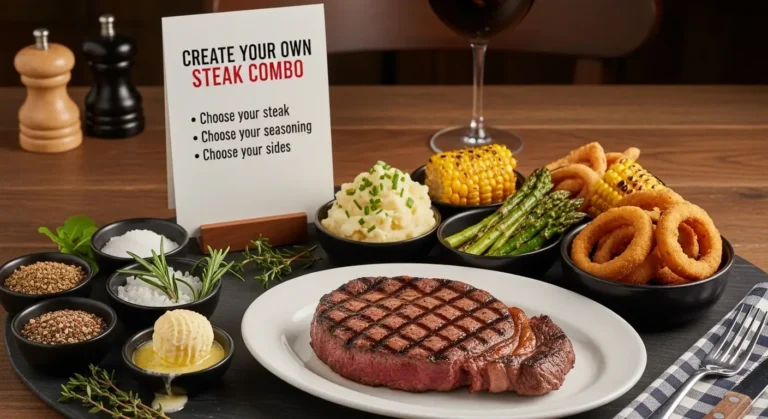
At Outback Steakhouse, the Ribeye is expertly prepared and seasoned to bring out the best in the cut. The steak is cooked to order, with options for doneness from rare to well-done. It is usually grilled over high heat, resulting in a flavorful, slightly charred crust, while maintaining the tender and juicy interior.
Outback Ribeye Versus Other Cuts
The Ribeye is often compared to other cuts like the Sirloin or New York Strip. While the Sirloin is leaner and the New York Strip has less marbling, the Ribeye stands out for its tender texture and rich flavor. If you prefer a steak that’s juicy and full of flavor, the Ribeye (especially the 13 oz portion) is a great choice.
Preparing the Outback Ribeye (13 oz) for Cooking
Thawing Frozen Ribeye
If you’re cooking a frozen Ribeye at home, it’s essential to thaw it properly. The best way to do this is by placing the steak in the refrigerator for 24 hours before cooking. This slow thawing helps the meat retain moisture and ensures even cooking. Never thaw steak at room temperature, as this can lead to uneven cooking and a loss of flavor.
Seasoning the Ribeye
Outback’s Ribeye is often seasoned with a blend of salt, pepper, and other spices to enhance the natural flavors of the beef. While you can replicate this seasoning at home, adding a bit of garlic powder, onion powder, or even some herbs like thyme or rosemary can elevate the flavor. A simple dry rub works wonders on Ribeye, allowing the steak’s natural flavors to shine.
Marinating the Ribeye
Marinating a Ribeye is an optional step that can add extra layers of flavor. A marinade made from olive oil, garlic, soy sauce, and a touch of lemon juice can add tenderness and an extra flavor boost. However, because Ribeye is already a flavorful cut, marinating is not always necessary. If you prefer a simple approach, seasoning the steak just before cooking will provide great results.
Bringing the Steak to Room Temperature
Before cooking, let the Ribeye sit at room temperature for about 30-45 minutes. Allowing the steak to warm up helps it cook more evenly. This step reduces the risk of uneven cooking and prevents the steak from becoming tough.
Grilling or Cooking the Outback Ribeye (13 oz)
Preheating the Grill or Pan
Whether you’re grilling the Ribeye or cooking it on the stovetop, preheating is key. For grilling, preheat your grill to medium-high heat. If cooking on a cast iron skillet, heat it on the stove for a few minutes until it’s nice and hot. A hot surface is necessary to develop a flavorful crust on the steak.
Grilling the Ribeye
Grilling is one of the best methods for preparing a Ribeye, as it imparts a smoky flavor and develops a crispy crust on the outside. Place the 13 oz Ribeye on the grill over direct heat and cook for 4-5 minutes per side for medium-rare. Adjust the cooking time based on your preferred level of doneness:
- Rare: 120-130°F (about 2-3 minutes per side)
- Medium-rare: 130-135°F (about 4-5 minutes per side)
- Medium: 135-145°F (about 6-7 minutes per side)
- Well-done: 155°F or higher (8-9 minutes per side)
For the perfect grill marks and sear, avoid flipping the steak multiple times. Only flip the Ribeye once during grilling to preserve its juiciness and flavor.
Pan-Seared Ribeye
If you’re cooking your Ribeye indoors, a cast iron skillet is your best bet. Preheat the skillet on medium-high heat and add a small amount of oil. Once the pan is hot, place the Ribeye in and sear each side for 4-5 minutes. After searing, you can reduce the heat and cook for another 5-7 minutes, depending on your desired doneness.
Checking for Doneness
The most reliable way to check if your Ribeye is done is by using a meat thermometer. Insert the thermometer into the thickest part of the steak:
- Rare: 120-130°F
- Medium-rare: 130-135°F
- Medium: 135-145°F
- Well-done: 155°F or higher
Remember, the steak will continue to cook slightly after being removed from the grill or pan (carryover cooking), so aim to take it off when it’s about 5°F lower than your target temperature.
Flavor Enhancements After Cooking
Resting the Ribeye
Once your Ribeye is cooked to your desired doneness, allow it to rest for 5-10 minutes before slicing. This resting period helps the juices redistribute throughout the meat, making it more tender and flavorful.
Adding Butter or Compound Butter
A pat of herb butter or garlic butter on top of the Ribeye adds richness and a luxurious finishing touch. Let the butter melt over the hot steak for a burst of flavor.

Serving with Sauces
Outback often serves Ribeye with a side of their signature steak sauces, such as a rich mushroom sauce or creamy peppercorn sauce. You can easily replicate these sauces at home by sautéing mushrooms in butter and adding cream or beef stock for a decadent finish.
Fresh Herbs and Garnishes
Garnish your Ribeye with freshly chopped parsley or thyme for a pop of color and freshness. The herbal aroma enhances the savory flavor of the steak.
Side Dishes That Pair Perfectly with Outback Ribeye (13 oz)
Mashed Potatoes
Creamy mashed potatoes are a classic side dish for Ribeye. Their smooth texture complements the rich, juicy steak, creating a balanced meal. Add a bit of garlic or cheese to the potatoes for extra flavor.
Grilled Vegetables
Grilled vegetables such as asparagus, zucchini, and bell peppers are a perfect complement to Ribeye. Their smoky flavor pairs beautifully with the steak, and they add a fresh contrast to the richness of the meat.
Steamed Broccoli
Steamed broccoli is a light and healthy side that contrasts well with the heavy, meaty Ribeye. The slight bitterness of the broccoli provides a refreshing contrast to the richness of the steak.
Garlic Bread
Garlic bread is always a crowd-pleaser. The crispy, buttery bread is perfect for sopping up any extra sauce or juices from the Ribeye, making it a satisfying accompaniment.
Wine and Beverage Pairings
Full-Bodied Red Wines
Ribeye pairs exceptionally well with full-bodied red wines like Cabernet Sauvignon, Merlot, or Malbec. The tannins in these wines help cut through the richness of the steak, enhancing the overall dining experience.
Craft Beer
For beer lovers, a dark beer such as a stout or porter pairs wonderfully with Ribeye. The roasted malt flavors complement the smoky char of the steak.
Non-Alcoholic Pairings
For a non-alcoholic option, a sparkling water with a squeeze of lemon or a chilled iced tea offers a refreshing balance to the richness of the Ribeye.
Common Mistakes to Avoid When Cooking Outback Ribeye (13 oz)
Overcooking the Ribeye
Overcooking Ribeye can result in a dry, tough steak. Be sure to monitor the cooking process closely and check the temperature with a thermometer to avoid overcooking.
Not Letting the Ribeye Rest
Cutting into the Ribeye immediately after cooking causes the juices to run out, making the meat dry. Always let it rest for 5-10 minutes to allow the juices to redistribute.
Cooking at Too High or Too Low a Heat
Cooking the Ribeye over too high a heat can burn the outside while leaving the inside undercooked. Conversely, cooking over too low a heat can result in tough, chewy meat. Use medium-high heat for the perfect balance of sear and tenderness.
Storing and Reheating Leftovers
Storing Leftover Ribeye
If you have leftover Ribeye, store it in an airtight container in the refrigerator for up to 3 days. Make sure the steak is cooled to room temperature before refrigerating to avoid bacterial growth.

Reheating Tips
To reheat Ribeye, place it in a preheated oven at 350°F (175°C) for 10-15 minutes. You can also reheat it in a skillet with a little butter over low heat to maintain its moisture.
Creative Uses for Leftover Ribeye
Leftover Ribeye can be used in sandwiches, salads, or tacos. The rich flavor and tender texture make it versatile for many dishes.
FAQs
What is the best doneness for Ribeye?
Medium-rare is widely considered the best doneness for Ribeye, as it allows the fat to render and results in a tender, juicy steak.
How long should I cook a 13 oz Ribeye?
Cooking time depends on the level of doneness, but generally, a 13 oz Ribeye will need 4-5 minutes per side for medium-rare on a hot grill or pan.
Should I season my Ribeye before cooking?
Yes, seasoning the Ribeye with salt and pepper, or using a dry rub, helps bring out the natural flavor of the steak.
Can I cook Ribeye in the oven?
Yes, you can sear the Ribeye in a pan and then transfer it to a preheated oven to finish cooking. This method is particularly effective for thicker steaks.
How do I make Ribeye more flavorful?
Marinating or using a dry rub with garlic, herbs, and spices enhances the flavor of the Ribeye. Adding butter or sauce after cooking also boosts flavor.
Conclusion
Outback’s 13 oz Ribeye is the perfect balance of flavor, tenderness, and juiciness. Whether you’re grilling it at home or enjoying it at the restaurant, following the right techniques will ensure a memorable steak experience. With the right seasoning, cooking method, and sides, the Ribeye becomes the centerpiece of a meal that satisfies both the body and the taste buds.