Roasted Prime Rib is the crown jewel of celebratory dining, a majestic cut of beef that embodies indulgence, flavor, and tradition in every slice. Revered for its tender texture and rich marbling, this roast transforms any gathering into a memorable feast. In this comprehensive guide, you will discover everything from selection to seasoning, roasting to resting, and carving to serving with absolute confidence.
Understanding Roasted Prime Rib
What Is Roasted Prime Rib
Roasted prime rib refers to a premium cut of beef taken from the rib section, known for its exceptional marbling and tenderness. This cut is often called a standing rib roast because the bones allow it to stand upright during cooking. When roasted properly, it delivers a juicy interior with a beautifully caramelized crust that defines a classic holiday centerpiece.
Prime Rib Versus Ribeye
Prime rib and ribeye originate from the same primal cut, yet they are prepared differently for distinct dining experiences. Prime rib is typically roasted whole, preserving moisture and enhancing flavor through slow cooking. Ribeye, on the other hand, is sliced into steaks and usually grilled or pan seared for quicker preparation.
Bone In Versus Boneless Prime Rib
Bone in prime rib is prized for the added flavor and insulation the bones provide during roasting. The bones help regulate heat distribution and contribute to a more succulent result. Boneless prime rib offers easier carving and more uniform slices, making it convenient while still delivering remarkable taste.
Why Prime Rib Is a Premium Cut
Prime rib is considered premium because of its superior marbling, which ensures tenderness and depth of flavor. The fat melts during roasting, naturally basting the meat from within. This luxurious texture and taste justify its place as a centerpiece dish for special occasions.
Selecting the Perfect Cut
Understanding Beef Grades
Beef grades such as Prime, Choice, and Select determine the level of marbling and overall quality. Prime grade offers the highest amount of intramuscular fat, resulting in exceptional tenderness and flavor. Choice grade is slightly leaner but still produces a delicious and satisfying roast.
How Much Prime Rib to Buy
When planning portions, consider approximately one pound per person for bone in roasts and slightly less for boneless cuts. This estimate ensures generous servings and potential leftovers. Proper portion planning prevents waste while guaranteeing abundance at the table.
Choosing the Right Size
The size of your roast depends on the number of guests and oven capacity. Smaller roasts cook more quickly but may not retain heat as long as larger ones. A well sized roast balances even cooking with ease of handling.
What to Look for at the Butcher
Look for bright red meat with creamy white fat evenly distributed throughout the roast. Avoid cuts with excessive surface moisture or dull coloring. A trusted butcher can also trim and tie the roast for optimal roasting results.
Preparing the Prime Rib
Bringing the Roast to Room Temperature
Allowing the roast to sit at room temperature before cooking promotes even heat distribution. This step prevents a cold center and overcooked exterior. Proper tempering lays the foundation for consistent doneness throughout the meat.
Trimming and Tying the Roast
Trimming excess fat ensures balanced flavor without overwhelming richness. Tying the roast with kitchen twine helps it maintain shape during cooking. A well tied roast cooks evenly and presents beautifully when carved.

Seasoning Fundamentals
Simple seasoning with salt and freshly ground pepper enhances the natural beef flavor. Generous seasoning forms a savory crust during roasting. Proper seasoning penetrates the meat and amplifies its inherent richness.
Dry Brining for Enhanced Flavor
Dry brining involves salting the roast and refrigerating it uncovered for several hours or overnight. This technique allows salt to draw out moisture and then reabsorb it, intensifying flavor. The result is a more deeply seasoned and juicy prime rib.
Flavor Enhancements and Marinades
Herb Crust Variations
Fresh herbs such as rosemary, thyme, and parsley create an aromatic crust when combined with garlic and olive oil. These herbs complement the richness of the beef without overpowering it. The crust adds texture and visual appeal.
Garlic and Butter Infusion
Garlic and butter rubbed generously over the roast create a luxurious flavor profile. As the butter melts, it bastes the meat and promotes browning. This infusion elevates the roast into an indulgent masterpiece.
Mustard and Spice Blends
A thin layer of mustard acts as a binder for spices and herbs. Spice blends featuring paprika, black pepper, and sea salt introduce complexity. This approach adds subtle heat and depth to every bite.
Simple Salt and Pepper Perfection
Sometimes simplicity is the ultimate sophistication. Coarse salt and cracked pepper create a classic crust that highlights the beef itself. This minimalist method respects tradition and delivers pure flavor.
Roasting Techniques
Traditional Oven Roasting
Traditional oven roasting involves cooking the prime rib at a steady temperature. This method ensures even cooking and reliable results. It is ideal for cooks who prefer a straightforward and time tested approach.
Reverse Sear Method
The reverse sear technique starts with low temperature roasting followed by a high heat finish. This approach allows precise control over doneness. The final sear creates a crisp crust while preserving a tender interior.
High Heat Start Technique
Beginning with a high oven temperature creates an immediate crust. After the initial burst of heat, the temperature is reduced to finish cooking. This method locks in juices and develops a rich exterior.
Using a Meat Thermometer
A meat thermometer is essential for achieving perfect doneness. It eliminates guesswork and ensures consistent results. Monitoring internal temperature safeguards against overcooking.
Understanding Doneness
Rare Prime Rib
Rare prime rib features a cool red center and ultra tender texture. It offers the purest expression of beef flavor. This level of doneness appeals to those who appreciate maximum juiciness.
Medium Rare Excellence
Medium rare is widely regarded as the ideal doneness for prime rib. The center remains warm and pink with optimal tenderness. This balance showcases both flavor and texture beautifully.
Medium and Beyond
Medium doneness presents a slightly firmer texture with a warm pink center. Cooking beyond medium gradually reduces juiciness. Careful monitoring is crucial to avoid drying out the roast.
Resting for Perfect Results
Resting the roast after cooking allows juices to redistribute. Cutting too soon can result in lost moisture. A proper resting period enhances tenderness and flavor retention.
Carving and Presentation
Removing the Bones
For bone in roasts, remove the bones before slicing for easier serving. The bones can be served separately or saved for stock. This step simplifies carving while preserving presentation.
Slicing Techniques
Use a sharp carving knife to create even slices. Cut against the grain to maximize tenderness. Uniform slices ensure a professional and appealing presentation.
Serving Thickness Preferences
Some guests prefer thick hearty slices while others enjoy thinner cuts. Offering a range accommodates different tastes. Flexibility enhances the dining experience.
Plating for Visual Impact
Arrange slices neatly on a warmed platter. Garnish with fresh herbs for color and aroma. Thoughtful plating elevates the meal to restaurant quality elegance.
Side Dishes That Complement Prime Rib
Classic Mashed Potatoes
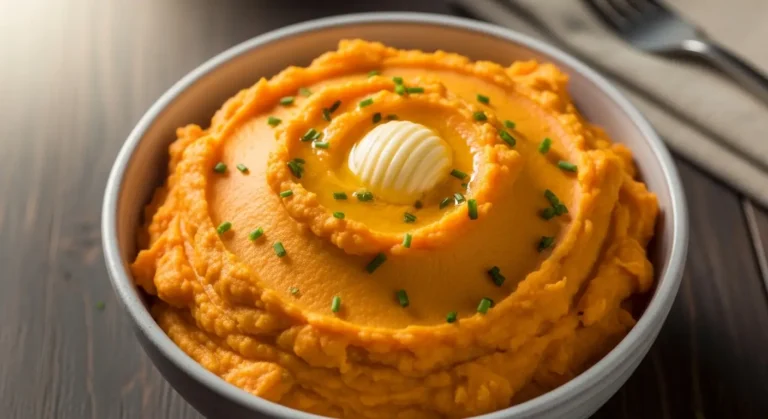
Creamy mashed potatoes provide a comforting and rich accompaniment. Their smooth texture contrasts beautifully with the roast. This pairing is timeless and universally loved.
Roasted Vegetables
Roasted carrots, Brussels sprouts, and asparagus add vibrant color. Their caramelized edges echo the crust of the prime rib. Vegetables balance the richness of the meat.

Yorkshire Pudding
Yorkshire pudding soaks up savory juices and adds a traditional touch. Its airy texture complements the dense roast. This classic side enhances authenticity.
Fresh Salads
A crisp green salad offers refreshing contrast. Light vinaigrettes cut through the richness of the beef. This addition keeps the meal balanced and satisfying.
Sauces and Accompaniments
Au Jus Preparation
Au jus is made from the roast drippings combined with broth. It enhances flavor without overpowering the meat. This simple sauce intensifies the natural beef essence.
Creamy Horseradish Sauce
Horseradish sauce adds a sharp and tangy kick. Its creaminess balances the spice. This condiment pairs perfectly with rich prime rib.
Red Wine Reduction
A red wine reduction introduces depth and elegance. The sauce complements the roast with subtle acidity. It is ideal for refined presentations.
Garlic Herb Butter
Garlic herb butter melted over slices adds extra indulgence. The butter enhances aroma and richness. This finishing touch elevates each serving.
Pairing Beverages
Red Wine Pairings
Bold red wines such as Cabernet Sauvignon complement prime rib beautifully. Their tannins balance the fat content. Wine pairing enhances the dining experience.
White Wine Options
Full bodied white wines can also pair surprisingly well. Rich Chardonnay offers buttery notes that harmonize with the roast. This choice provides variety for guests.
Craft Beer Choices
Dark ales and stouts provide malty depth. Their robust flavors stand up to the richness of the beef. Beer pairings create a relaxed yet flavorful combination.
Non Alcoholic Pairings
Sparkling water with citrus refreshes the palate. Non alcoholic beverages ensure inclusivity. Balanced drinks enhance enjoyment without overshadowing the meal.
Hosting a Prime Rib Dinner
Planning the Menu
Thoughtful menu planning ensures harmony between courses. Balance heavy dishes with lighter sides. A cohesive menu enhances the overall experience.
Timing the Roast
Calculate cooking and resting time carefully. Proper timing guarantees that the roast is served at peak temperature. Organization prevents stress.
Setting the Table
Elegant table settings elevate the occasion. Warm plates preserve serving temperature. Attention to detail impresses guests.
Creating a Memorable Atmosphere
Soft lighting and music set the tone. A welcoming environment enhances enjoyment. Prime rib becomes the heart of a memorable gathering.
Storing and Reheating Leftovers
Proper Storage Techniques
Store leftovers in airtight containers. Refrigerate promptly to maintain freshness. Proper storage preserves flavor and texture.
Reheating Without Drying
Reheat gently at low temperature with added moisture. Avoid high heat that can toughen the meat. Careful reheating maintains tenderness.
Creative Leftover Ideas
Use leftover slices in sandwiches or salads. Transform them into hearty soups or wraps. Creativity prevents waste and extends enjoyment.
Freezing Prime Rib
Wrap tightly to prevent freezer burn. Label with dates for reference. Frozen prime rib can be enjoyed later with minimal quality loss.
Common Mistakes to Avoid
Overcooking the Roast
Overcooking diminishes juiciness and tenderness. Always monitor internal temperature carefully. Prevention ensures a perfect result.
Skipping the Resting Period
Cutting immediately after roasting releases valuable juices. Resting is essential for optimal texture. Patience yields superior flavor.
Underseasoning
Insufficient seasoning results in bland meat. Generous salt enhances natural flavors. Proper seasoning defines excellence.
Ignoring Temperature Accuracy
Relying on guesswork can lead to inconsistent doneness. Use a reliable thermometer. Precision guarantees confidence.
Health and Nutritional Insights
Nutritional Profile of Prime Rib
Prime rib provides protein, iron, and essential nutrients. It is calorie dense due to marbling. Moderation ensures balanced consumption.
Balancing Indulgence and Wellness
Pairing prime rib with vegetables promotes dietary balance. Mindful portion sizes support health. Enjoyment and wellness can coexist.
Protein Benefits
High quality protein supports muscle health. Beef contains vital amino acids. These nutrients contribute to overall vitality.
Managing Fat Intake
Trim excess fat if desired. Choose appropriate portion sizes. Thoughtful choices align indulgence with health goals.
FAQs
What is the best temperature to cook roasted prime rib
The ideal internal temperature for medium rare prime rib is about 130 degrees Fahrenheit before resting.
How long should prime rib rest before carving
Prime rib should rest for at least 20 to 30 minutes before slicing.
Can I cook prime rib ahead of time
Yes you can partially cook and gently reheat it, but freshly roasted is best.
Should I cover prime rib while roasting
Prime rib is typically roasted uncovered to develop a flavorful crust.
How do I know when prime rib is done
Use a meat thermometer to check internal temperature for accurate doneness.
Conclusion
Roasted Prime Rib stands as a timeless symbol of celebration, comfort, and culinary mastery. From selecting the perfect cut to carving flawless slices, every step contributes to a remarkable dining experience. With proper preparation and thoughtful execution, this majestic roast transforms any meal into an unforgettable feast.