Baby back ribs – a full rack – are a beloved dish for meat lovers, known for their tender, juicy, and flavorful texture. Whether you’re grilling for a summer BBQ or enjoying a hearty meal with family and friends, a full rack of baby back ribs is sure to impress. This guide will take you through everything you need to know about baby back ribs, from their origins to the best ways to prepare, cook, and serve them for a memorable dining experience.
The History and Origins of Baby Back Ribs
Origins of Baby Back Ribs
Baby back ribs come from the top part of the rib cage, near the spine, of the pig. They are called “baby” back ribs not because they come from young pigs, but because they are shorter and smaller compared to spare ribs. Historically, ribs have been cooked and enjoyed for centuries, with various cultures utilizing slow-cooking and grilling techniques to bring out their tender, savory flavor. Baby back ribs became particularly popular in American barbecue culture, where they are often featured at cookouts and BBQ competitions.
Baby Back Ribs vs. Spare Ribs
Baby back ribs are often confused with spare ribs, but they come from different parts of the pig. Spare ribs come from the lower part of the ribcage and tend to be larger and meatier, while baby back ribs are smaller, more tender, and leaner. Baby back ribs are typically more expensive than spare ribs due to their smaller size and tender texture. The term “baby” refers to their shorter length, as they’re generally around 3 to 6 inches long, compared to the larger spare ribs.
Baby Back Ribs in American Barbecue Culture
Baby back ribs are a staple of American barbecue, especially in regions like Texas, Kansas City, and Memphis, where barbecue is an essential part of the local cuisine. In these areas, ribs are cooked low and slow over a wood fire or on a smoker, allowing the meat to tenderize and soak in the smoky flavor. The process of slow-cooking ribs ensures they are fall-off-the-bone tender and flavorful, which is a hallmark of classic barbecue.
The Rise of Ribs in Global Cuisine
While ribs are often associated with American BBQ, they have become a popular dish in many countries worldwide. From Korean-style grilled ribs to Chinese-style spare ribs, different cultures have put their spin on cooking ribs, adding unique marinades, rubs, and cooking techniques. Baby back ribs, in particular, are widely appreciated for their tenderness and ability to be customized with a variety of seasonings and sauces.
Characteristics of Baby Back Ribs
Tenderness and Flavor
Baby back ribs are prized for their tenderness. Because they come from a smaller, less-used portion of the pig, the meat is more delicate and tender than spare ribs. When cooked properly, baby back ribs are juicy, with the meat easily pulling away from the bone. The flavor is rich and savory, with just the right amount of fat marbling, making them ideal for grilling, smoking, or slow-cooking.
The Cut of Meat
A full rack of baby back ribs typically consists of 10-13 ribs, depending on the size of the pig. The ribs are usually curved and are connected by a membrane that can be removed before cooking for a more tender result. Baby back ribs are relatively lean, especially compared to spare ribs, which have more fat and connective tissue. This makes them a great option for people who enjoy tender, flavorful meat without too much fat.

Cooking Method Versatility
Baby back ribs can be prepared using several methods, each offering different textures and flavors. The most common methods include grilling, smoking, and slow-cooking. Each technique brings out different characteristics in the meat:
- Grilling: A quick method that provides a smoky, charred exterior while keeping the interior tender.
- Smoking: A slow method that infuses the ribs with deep smoky flavor, making the meat exceptionally tender.
- Slow-Cooking: Perfect for those who prefer tender, fall-off-the-bone ribs. Slow-cooking helps render the fat and break down the connective tissue, creating a melt-in-your-mouth texture.
The Rib Membrane
When preparing baby back ribs, it’s important to remove the silver skin, a thin membrane that covers the back of the ribs. This membrane can become tough and chewy when cooked, so removing it ensures a more tender, enjoyable eating experience. To remove the membrane, simply slide a knife under the skin, then grab it with a paper towel and peel it away from the ribs.
How to Make Baby Back Ribs – Full Rack at Home
Ingredients for Baby Back Ribs
To make a full rack of baby back ribs at home, you’ll need:
- 1 full rack of baby back ribs (about 10-13 ribs)
- Olive oil
- Salt and pepper
- Your favorite dry rub (optional)
- Barbecue sauce (optional)
For the Dry Rub (optional):
- 2 tablespoons brown sugar
- 1 tablespoon paprika
- 1 tablespoon garlic powder
- 1 tablespoon onion powder
- 1 teaspoon ground black pepper
- 1 teaspoon salt
- 1 teaspoon chili powder
- 1/2 teaspoon cumin (optional)
Step-by-Step Instructions for Preparing Baby Back Ribs
- Prepare the Ribs:
Start by removing the silver skin (membrane) from the back of the ribs. Use a knife to gently loosen it, then peel it off with your hands or a paper towel. - Apply the Dry Rub:
Rub a small amount of olive oil over both sides of the ribs to help the seasoning adhere. Next, apply your dry rub evenly over the surface of the ribs, pressing it in gently. Let the ribs sit with the rub for at least 30 minutes to allow the flavors to penetrate the meat. - Preheat Your Grill or Smoker:
Preheat your grill to medium heat (around 300°F or 150°C) if you’re using indirect grilling. If you’re smoking the ribs, set your smoker to 225°F (107°C). You want a low, slow cook to ensure the ribs turn out tender. - Cook the Ribs:
If grilling, place the ribs on the cooler side of the grill, away from direct heat. Close the lid and cook for 1.5 to 2 hours, flipping occasionally and brushing with barbecue sauce towards the end if desired. For smoking, place the ribs in the smoker and cook for 3-4 hours, depending on the size of the ribs and the heat of the smoker. - Check for Doneness:
The ribs are done when the meat has pulled back from the bone and is tender. You can also check the internal temperature; the ribs should reach about 190°F (88°C) for optimal tenderness. - Rest the Ribs:
Once the ribs are cooked, remove them from the grill or smoker and let them rest for 5-10 minutes before slicing. This allows the juices to redistribute throughout the meat. - Serve:
Slice the ribs between the bones and serve with your favorite sides, such as coleslaw, baked beans, or cornbread.
Variations of Baby Back Ribs
BBQ Baby Back Ribs
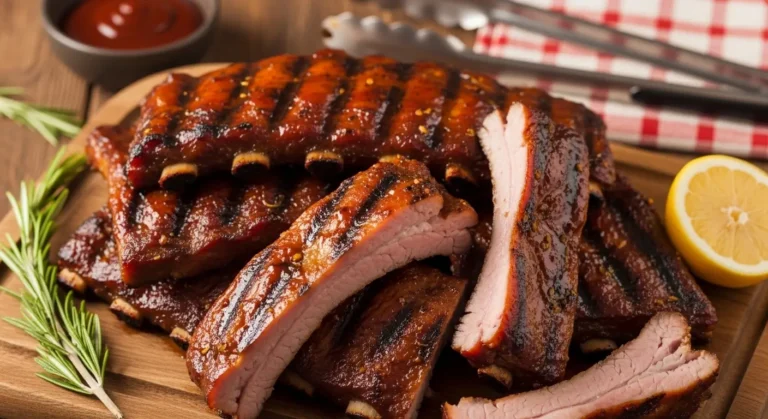
The classic barbecue version of baby back ribs is always a crowd-pleaser. Coat the ribs in a tangy barbecue sauce (either homemade or store-bought) during the last 30 minutes of cooking for a caramelized, sticky finish. Choose a sauce with a balance of sweet and tangy flavors to complement the richness of the ribs.
Spicy Baby Back Ribs
For a kick of heat, add chili powder, cayenne pepper, or hot sauce to the dry rub or barbecue sauce. Spicy baby back ribs pair well with a cooling side like coleslaw to balance the heat.
Honey-Glazed Baby Back Ribs
For a sweet finish, glaze the ribs with honey or a honey-brown sugar mixture during the last stages of grilling or smoking. This adds a sweet, sticky coating that pairs well with the savory depth of the ribs.

Asian-Inspired Baby Back Ribs
For a unique twist, try an Asian-inspired marinade using soy sauce, ginger, garlic, honey, and sesame oil. This will give your baby back ribs a savory-sweet flavor profile with hints of umami and a little sweetness.
Health Considerations of Baby Back Ribs
Nutritional Information
Baby back ribs are rich in protein, which is important for muscle growth and repair. However, they can be high in fat, especially when cooked with sauces or marinades that contain sugar or oil. A full rack of baby back ribs typically contains around 700-1000 calories, depending on the portion size and cooking method. While they offer essential nutrients like iron and zinc, they should be consumed in moderation as part of a balanced diet.
Healthier Modifications
To make your ribs healthier, you can opt for leaner cuts of pork or trim excess fat before cooking. You can also use a dry rub instead of heavy sauces, reducing sugar and sodium intake. Grilling or smoking the ribs with minimal oil ensures they retain their natural flavors without adding unnecessary fat.
Serving with Healthy Sides
Pairing your baby back ribs with healthy sides like grilled vegetables, a fresh green salad, or a light potato salad can balance the richness of the ribs and add fiber and vitamins to the meal.
Serving Suggestions for Baby Back Ribs
Side Dishes to Pair
- Coleslaw: A tangy coleslaw with vinegar or mustard-based dressing complements the richness of the ribs and adds a crunchy texture.
- Corn on the Cob: Grilled or roasted corn adds a touch of sweetness that pairs beautifully with smoky, savory ribs.
- Grilled Vegetables: Asparagus, bell peppers, or zucchini are great vegetable options to grill alongside your ribs for a healthy and delicious addition.
- Baked Beans: The sweetness of baked beans balances the savory flavors of the ribs, making them a classic side dish.
Wine Pairings
- Red Wine: A full-bodied red wine such as Zinfandel or Cabernet Sauvignon pairs perfectly with the rich flavors of the ribs, helping to cut through the fat.
- Beer: If you prefer beer, a crisp lager or an IPA works well with BBQ ribs, as the bitterness can balance out the sweetness of the sauce.
FAQs About Baby Back Ribs
How long should I cook baby back ribs?
Baby back ribs typically take 1.5-2 hours on the grill or smoker, depending on the temperature and thickness of the meat. The ribs are done when the meat is tender and has pulled back from the bones.
Can I cook baby back ribs in the oven?
Yes, baby back ribs can be cooked in the oven at 275°F (135°C) for 2.5-3 hours, covered with foil. Finish with a 10-15 minute broil or grill to achieve a crispy exterior.
How do I know when my ribs are done?
Ribs are done when the meat is tender and easily pulls away from the bone. You can also check the internal temperature; it should be around 190°F (88°C) for perfect tenderness.
Should I remove the membrane from the ribs?
Yes, removing the membrane (the silver skin) from the back of the ribs ensures that the meat is tender and not chewy. It’s best to remove it before cooking.
Can I make baby back ribs in advance?
Yes, you can cook the ribs in advance and reheat them. It’s best to store them in an airtight container in the refrigerator for up to 2-3 days, then reheat on the grill or in the oven.
Conclusion
Baby back ribs – full rack – are a beloved dish that offers a satisfying combination of smoky, tender meat with a rich, flavorful crust. Whether you’re cooking them on the grill, in the smoker, or in the oven, the result is a delicious, indulgent meal that’s perfect for any occasion. Paired with the right sides and sauces, baby back ribs make for a memorable and flavorful feast that everyone will enjoy.