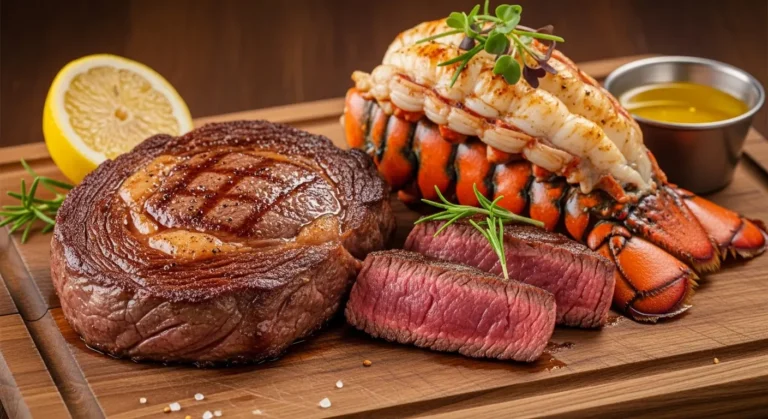
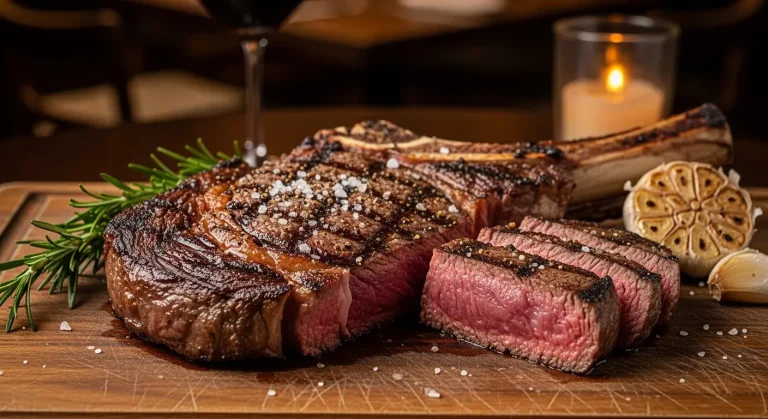
Filet Mignon (8 oz) is a premium cut of beef known for its exceptional tenderness, rich flavor, and melt-in-your-mouth texture. Often considered one of the most luxurious cuts of steak, filet mignon is a favorite among steak lovers and fine dining enthusiasts. Whether you’re grilling, pan-searing, or broiling, this cut of meat guarantees a gourmet experience. In this article, we’ll explore the origins, preparation methods, variations, and health benefits of Filet Mignon (8 oz), offering a comprehensive guide to cooking and enjoying this exquisite cut.
The Essence of Filet Mignon (8 oz)
A Cut Above: The Tenderloin Steak
Filet Mignon comes from the tenderloin section of the cow, which is located along the spine. This muscle is not used much during the animal’s life, resulting in a steak that is exceptionally tender. Because of its lack of connective tissue, filet mignon has a fine, buttery texture that is unmatched by other cuts of beef. The 8 oz portion is a perfect serving size for individuals who desire the premium experience of filet mignon without being overwhelming.
The Flavor Profile of Filet Mignon
While filet mignon is often prized for its tenderness, it also offers a subtle, mild beef flavor that complements various seasonings and sauces. Unlike fattier cuts like ribeye or New York strip, filet mignon has a more delicate taste, allowing it to pair perfectly with bold marinades, butters, or compound herbs that enhance its natural flavor. The rich texture of the meat makes it ideal for searing or grilling, providing a deliciously caramelized crust while maintaining a tender, juicy interior.
A Luxurious Dining Experience
Filet Mignon is often associated with fine dining due to its tender texture and elegant presentation. It is a popular choice for special occasions such as anniversaries, holidays, or romantic dinners. Its versatility allows it to be prepared in various ways, from simple seasoning with salt and pepper to more elaborate preparations with gourmet sauces and sides. An 8 oz filet mignon is typically the perfect serving size for an individual, making it the ideal option for a luxurious meal.
Simple Yet Gourmet
Despite being a luxurious cut of meat, filet mignon is surprisingly easy to cook, provided you follow the right techniques. Whether you prefer your steak rare, medium-rare, or well-done, the key to a perfect filet mignon lies in cooking it to the right temperature and enhancing its natural flavors with quality ingredients. The 8 oz portion ensures the steak is substantial enough for a satisfying meal without being overwhelming.
Key Ingredients in Filet Mignon (8 oz)
Filet Mignon: The Tenderloin
The key ingredient in this dish is, of course, the 8 oz portion of filet mignon. Typically, the filet mignon is a boneless cut that is perfectly portioned to provide a tender, juicy experience. The tenderloin’s natural marbling is minimal, contributing to its delicate texture, making it ideal for those who prefer a leaner steak without sacrificing flavor or tenderness.

Seasoning: Enhancing the Natural Flavors
When it comes to seasoning filet mignon, simplicity is often the key to bringing out its natural flavors. Common seasonings include salt and freshly ground black pepper, which help to enhance the beef’s taste. Additionally, garlic powder, onion powder, or fresh herbs like rosemary or thyme can be used to elevate the flavor profile. For more complex flavor, some chefs prefer to use a compound butter made with garlic, parsley, and lemon zest for added richness.
Butter or Oil: For Searing and Flavor
Butter or oil is essential for searing filet mignon. High-quality oils like olive oil, avocado oil, or ghee are ideal for grilling or pan-searing the steak. Butter adds a rich, creamy flavor and can be combined with garlic and herbs to create a decadent finishing touch. Some chefs also add a dollop of butter on top of the steak just before serving to elevate the dish further.
Aromatics: Adding Depth to the Flavor
Aromatics such as garlic, shallots, and fresh herbs are often used during the cooking process to add depth and complexity to the flavor. Searing the steak with garlic cloves and herbs like rosemary or thyme can infuse the meat with additional savory notes that complement its natural richness.
How to Prepare Filet Mignon (8 oz)
Step 1: Preparing the Filet Mignon
Before cooking, let the filet mignon rest at room temperature for about 30 minutes. This ensures even cooking throughout the steak. Pat the steak dry with paper towels to remove any excess moisture, which helps achieve a better sear. Season generously with salt and freshly ground black pepper on both sides, or use additional spices and herbs to enhance the flavor.
Step 2: Searing the Steak
Filet mignon can be prepared using a grill, pan-searing, or broiling method. For pan-searing, heat a heavy skillet (preferably cast iron) over medium-high heat. Add a tablespoon of oil or butter and allow it to melt. Once the skillet is hot, add the filet mignon and sear it for 3-4 minutes on each side to develop a rich, golden-brown crust. You can also sear the edges of the steak to render any fat.
Step 3: Cooking to Desired Doneness
After searing the filet, finish cooking it to your desired level of doneness. For medium-rare, cook the steak for about 4-5 minutes per side, or until it reaches an internal temperature of 130-135°F (54-57°C). For medium, cook for 5-6 minutes per side, or until the internal temperature reaches 140-145°F (60-63°C). For well-done, cook for 6-7 minutes per side, or until the internal temperature reaches 160°F (71°C). Use a meat thermometer to check the internal temperature for accuracy.

Step 4: Resting the Steak
After cooking, remove the filet mignon from the skillet or grill and let it rest for 5-10 minutes. This allows the juices to redistribute throughout the meat, ensuring that it remains tender and juicy. During this time, you can prepare any additional garnishes or sauces.
Step 5: Serving the Filet Mignon
Once the steak has rested, it’s ready to be served. For an elegant touch, top the filet mignon with a pat of compound butter, or serve it with a drizzle of your favorite sauce, such as a rich béarnaise or a red wine reduction. Pair it with classic sides such as mashed potatoes, roasted vegetables, or a fresh green salad.
Variations of Filet Mignon (8 oz)
Filet Mignon with Red Wine Sauce
For a classic pairing, serve your filet mignon with a red wine sauce made from beef stock, red wine, and aromatics like shallots and garlic. This sauce complements the rich, buttery flavor of the filet mignon, adding depth and richness to the dish.
Filet Mignon with Garlic Herb Butter
Garlic herb butter is a popular topping for filet mignon. Made with butter, garlic, fresh herbs like parsley, rosemary, and thyme, this compound butter is melted over the steak just before serving. The creamy, aromatic butter enhances the flavor of the tenderloin and adds a rich finish.
Bacon-Wrapped Filet Mignon
For added richness and flavor, wrap your filet mignon in bacon before cooking. The bacon fat infuses the steak with a smoky, savory flavor while helping to retain moisture. Sear the wrapped steak and finish cooking as you would with a regular filet mignon.
Filet Mignon with Blue Cheese
For a bold, tangy twist, top your filet mignon with crumbled blue cheese. The creamy, sharp flavor of the blue cheese contrasts wonderfully with the tenderness of the filet, making for a deliciously decadent dish.
The Health Benefits of Filet Mignon (8 oz)
A Lean Source of Protein
Filet mignon is an excellent source of high-quality protein, which is essential for muscle repair, immune function, and overall health. A single 8 oz portion of filet mignon provides about 50 grams of protein, making it an ideal option for those looking to boost their protein intake.
Rich in Essential Nutrients
Filet mignon is rich in important vitamins and minerals such as vitamin B12, iron, and zinc. Vitamin B12 is vital for nerve health and energy production, while iron helps with oxygen transport in the body. Zinc is essential for immune function and cell growth.
Low in Fat Compared to Other Cuts
Compared to fattier cuts of beef, such as ribeye or T-bone steaks, filet mignon is leaner. It has less marbling and fat, making it a healthier choice for those who want to enjoy a rich, flavorful steak without the added fat content.
Customizable for Health-Conscious Diets
Filet mignon can be made even healthier by pairing it with low-calorie sides, such as steamed vegetables or a light salad. Using a lean cut like filet mignon ensures that you can indulge in a flavorful steak while keeping your meal balanced and nutritious.
Tips for Perfecting Your Filet Mignon (8 oz)
Let the Steak Rest at Room Temperature
Before cooking, allow the filet mignon to come to room temperature for even cooking. This helps the steak cook more evenly and results in a better sear.
Use a Meat Thermometer
To ensure that your filet mignon is cooked to the perfect doneness, always use a meat thermometer. This ensures accuracy and prevents overcooking.
Sear First, Then Finish Cooking
To achieve the best flavor and texture, sear the filet mignon first to develop a flavorful crust, then finish cooking it to your desired level of doneness using indirect heat or in the oven.
Don’t Overcook the Steak
Filet mignon is best served rare to medium-rare to maintain its tenderness and juiciness. Avoid overcooking it, as it can become dry and lose its luxurious texture.
FAQs About Filet Mignon (8 oz)
What is the best way to cook an 8 oz filet mignon?
Pan-searing and finishing in the oven or grilling are the best methods for cooking filet mignon. Both methods allow the steak to develop a rich sear while keeping the interior tender and juicy.
How long should I cook filet mignon for medium-rare?
For medium-rare, cook the 8 oz filet mignon for about 4-5 minutes per side, or until it reaches an internal temperature of 130-135°F (54-57°C).
Can I make filet mignon without a grill?
Yes, filet mignon can be pan-seared or broiled for a delicious result. Pan-searing in a hot skillet with a little oil or butter creates a perfect crust and can be finished in the oven if necessary.
What are the best side dishes for filet mignon?
Filet mignon pairs beautifully with roasted vegetables, mashed potatoes, grilled asparagus, or a fresh green salad. You can also serve it with a rich sauce like béarnaise or a red wine reduction.
Can I marinate filet mignon?
While filet mignon is already tender, marinating it with simple ingredients like olive oil, garlic, and fresh herbs can add flavor. However, it’s important not to over-marinate, as it may overpower the steak’s natural taste.
Conclusion
Filet Mignon (8 oz) is a premium cut that offers a luxurious dining experience with its tender texture and mild flavor. Whether you prefer it simply seasoned or topped with compound butter and sauces, filet mignon delivers a satisfying meal for any special occasion. Its nutritional benefits and ease of preparation make it a perfect choice for anyone looking to indulge in a delicious, high-quality steak. Enjoy the rich flavors and tender texture of this exquisite cut with your favorite sides and sauces for a truly memorable meal.