Ribeye (13 oz) is one of the most prized cuts of beef, known for its tenderness and rich flavor. Often considered a steak lover’s dream, it offers an unforgettable dining experience. In this guide, we’ll explore everything you need to know about Ribeye (13 oz), from its characteristics to cooking tips, benefits, and FAQs.
The History of Ribeye Steak
Origins of the Ribeye Cut
The ribeye steak gets its name from the rib section of the cow, specifically from the area between the 6th and 12th ribs. It is known for its intense marbling and tenderness, qualities that make it a favorite among steak enthusiasts. Historically, ribeye was a more affordable cut but eventually gained popularity due to its rich flavor.
Evolution in Popularity
Initially, ribeye steak was considered a relatively inexpensive cut, often used for roasts. Over the years, however, its reputation for tenderness and flavor made it a premium choice in steakhouses and fine dining. Today, it stands as one of the most sought-after cuts, especially when served at 13 ounces.
Ribeye in Modern Cuisine
In contemporary cooking, the ribeye has earned its place as the centerpiece of many gourmet dishes. Whether grilled, pan-seared, or cooked in a cast-iron skillet, its rich flavor profile and tenderness make it a versatile option in both home kitchens and restaurants.
The Ribeye Versus Other Steak Cuts
The ribeye is often compared to other cuts such as the New York strip or filet mignon. However, its unique combination of marbling and flavor sets it apart. Unlike the leaner cuts, ribeye offers a juicier, more flavorful experience, particularly when cooked to medium-rare or medium.
Characteristics of Ribeye (13 oz)
Marbling and Tenderness
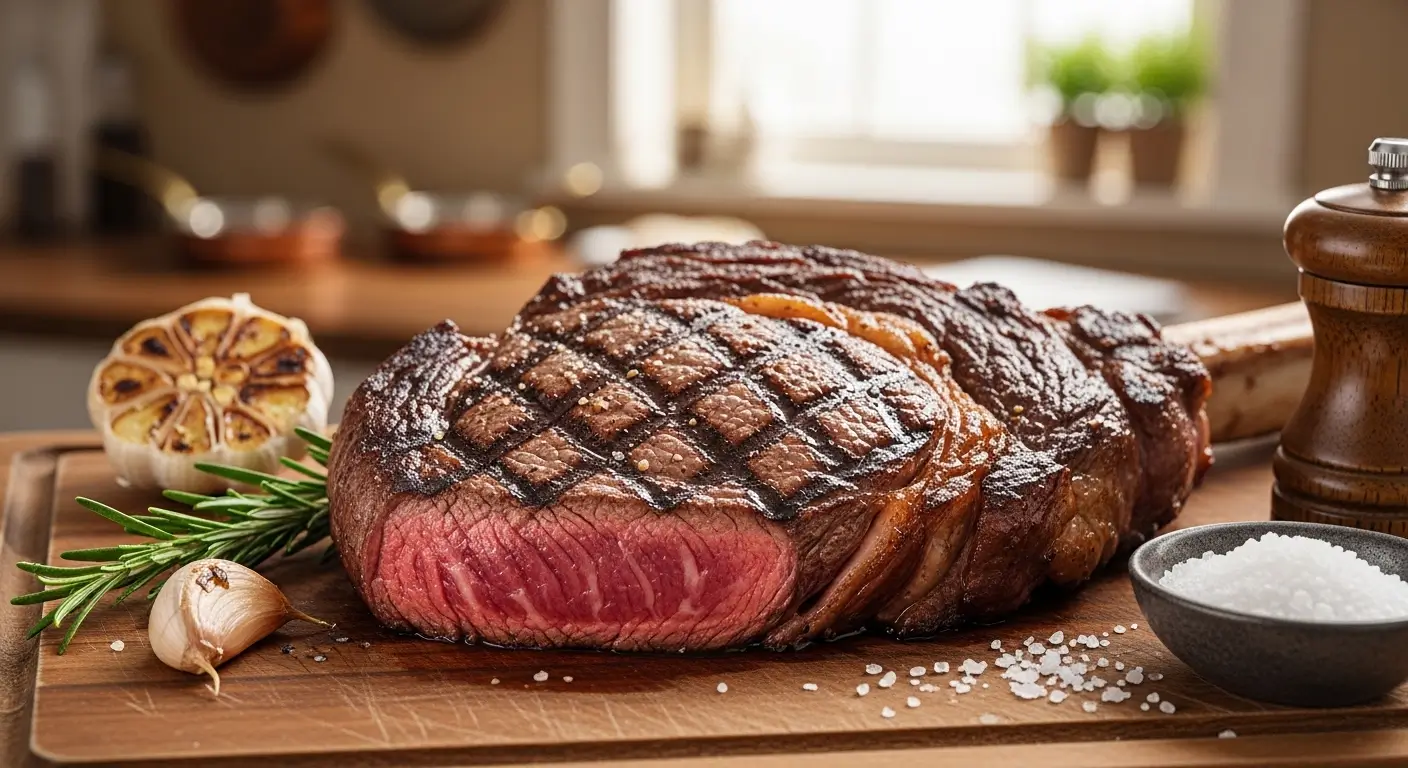
One of the standout features of ribeye (13 oz) is its marbling – the fat interspersed within the muscle fibers. This marbling not only enhances the flavor but also ensures a tender texture. When cooked, the fat melts and infuses the meat with its rich flavor, creating a juicy and succulent steak.
Size and Serving Suggestions
At 13 ounces, the ribeye steak offers a substantial portion, making it ideal for hearty appetites. It’s perfect for a satisfying meal on its own, often served with side dishes like mashed potatoes, grilled vegetables, or a simple salad to complement its richness.
Flavor Profile of Ribeye
Ribeye (13 oz) boasts a deep, beefy flavor with a slightly buttery finish. The high fat content contributes to its bold taste, making it a steak of choice for those who enjoy a richer, more intense beef flavor. Whether grilled or pan-seared, the flavors remain consistent throughout.
Cooking Time and Techniques
Due to its thickness, cooking a 13-ounce ribeye requires some attention. It’s best cooked on a hot grill or in a cast-iron skillet to achieve a perfect sear while maintaining its juiciness. Depending on your preferred doneness, cooking times may vary, but achieving a crispy exterior and a tender interior is the goal.
Nutritional Benefits of Ribeye (13 oz)
Protein Content
Ribeye (13 oz) is an excellent source of protein, providing a substantial amount of the daily protein requirements in a single serving. This protein is essential for muscle growth, tissue repair, and overall bodily functions, making ribeye an ideal choice for individuals with active lifestyles.

Fat and Calories
Ribeye steaks are rich in fat, especially saturated fat, which contributes to the steak’s tender texture and rich flavor. While a 13-ounce ribeye is calorie-dense, it’s important to consume it in moderation as part of a balanced diet. The fat content also provides energy for the body.
Micronutrients in Ribeye
In addition to protein, ribeye (13 oz) contains important micronutrients, including iron, zinc, and B vitamins like niacin and B12. These nutrients play vital roles in energy metabolism, immune function, and red blood cell production, enhancing the nutritional value of the steak.
Ribeye and Heart Health
Although ribeye contains saturated fat, studies suggest that consuming it in moderation can be part of a heart-healthy diet, especially when paired with nutrient-dense vegetables and whole grains. The iron in ribeye helps prevent iron-deficiency anemia, supporting overall health.
Cooking Ribeye (13 oz) to Perfection
Grilling Ribeye Steak
Grilling is one of the most popular methods for cooking ribeye (13 oz), as it allows the fat to melt and infuse the steak with flavor. For a perfectly grilled ribeye, preheat your grill to medium-high heat and cook the steak for 4 to 5 minutes per side for a medium-rare finish.
Pan-Seared Ribeye with Butter
Pan-searing is another great option for cooking ribeye (13 oz), especially when paired with butter and fresh herbs. Start by searing the steak in a hot skillet, and once it’s browned on both sides, add butter and herbs like thyme or rosemary for an extra layer of flavor.
Sous Vide Cooking for Ribeye
Sous vide cooking allows for precise temperature control, ensuring the ribeye is cooked to the desired level of doneness while maintaining its tenderness. Set your sous vide bath to 130°F (54°C) for a perfect medium-rare ribeye, then sear it in a hot pan for a crispy crust.
Resting the Steak After Cooking
After cooking your ribeye (13 oz), it’s important to let the steak rest for 5 to 10 minutes before cutting into it. This resting period allows the juices to redistribute throughout the meat, ensuring that each bite is as tender and juicy as possible.
Choosing the Best Ribeye (13 oz)
Quality of Meat Matters
When selecting ribeye (13 oz), look for steaks that have good marbling and a deep red color. The marbling ensures a flavorful and tender steak, while the color indicates the freshness and quality of the meat. Always choose steaks from reputable butchers or grocery stores.
Grass-Fed Versus Grain-Fed Ribeye
Grass-fed ribeye tends to be leaner than its grain-fed counterpart but may have a more pronounced, slightly gamier flavor. Grain-fed ribeye, on the other hand, tends to be more marbled, resulting in a juicier, more tender steak. The choice depends on personal preference for flavor and texture.
Ribeye from Local Farms
Buying ribeye (13 oz) from local farms can ensure you are getting fresh, high-quality meat. Local farms often use sustainable farming practices, and their meat may be less likely to contain hormones or antibiotics. This choice supports local economies while providing a premium steak.
Price Considerations for Ribeye
Ribeye (13 oz) can be a bit pricey, especially for higher-quality cuts such as those from grass-fed or organic beef. However, the rich flavor and tenderness justify the cost. Look for sales or deals at local butchers or specialty stores to find high-quality ribeye at a more affordable price.
Serving Ribeye (13 oz)
Classic Side Dishes for Ribeye
Ribeye (13 oz) pairs wonderfully with classic steakhouse sides such as baked potatoes, creamy mashed potatoes, or sautéed vegetables. A simple green salad with a tangy vinaigrette also complements the rich flavors of the steak.
Wine Pairing with Ribeye
A bold red wine such as Cabernet Sauvignon, Malbec, or Zinfandel is the perfect match for ribeye (13 oz). The tannins in these wines help cut through the steak’s rich fat while enhancing its savory flavors. For white wine lovers, a buttery Chardonnay is also a great option.
Sauces and Condiments for Ribeye
Although ribeye (13 oz) is flavorful on its own, it can be enhanced with various sauces and condiments. Popular options include béarnaise sauce, peppercorn sauce, or a simple garlic butter drizzle. For those who enjoy a bit of heat, chimichurri or horseradish sauce can add an exciting twist.
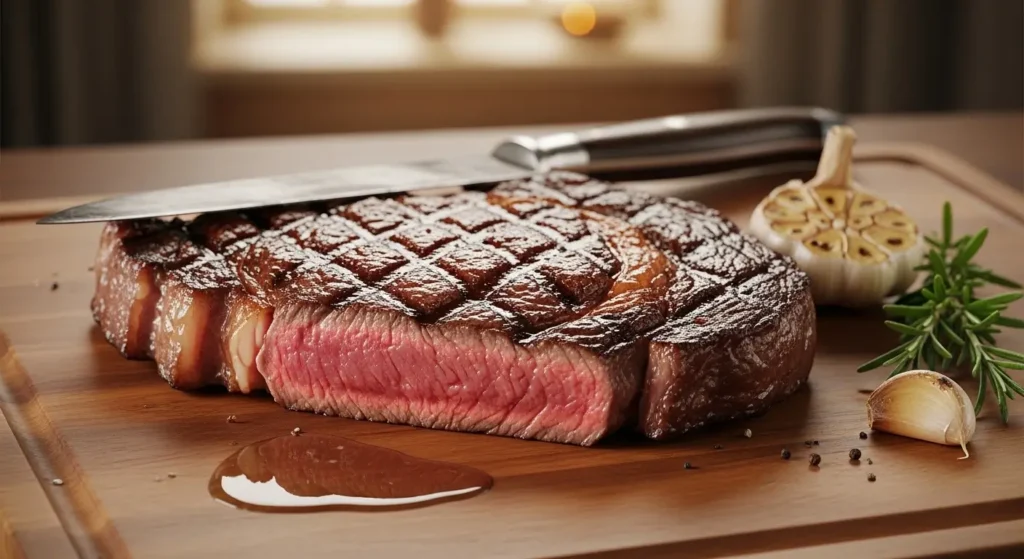
Ribeye in Gourmet Dishes
Ribeye (13 oz) can also be used in gourmet dishes such as steak sandwiches, salads, or even tacos. Thinly sliced ribeye works well in stir-fries, pasta dishes, and as a topping for gourmet pizzas. The possibilities are endless for those looking to elevate their meals.
Storage and Preservation of Ribeye (13 oz)
Refrigerating Fresh Ribeye
To preserve the freshness of ribeye (13 oz), refrigerate it in its original packaging for up to 3 to 5 days. Make sure your refrigerator is set at 40°F (4°C) or lower to maintain the steak’s quality. Avoid leaving the meat out at room temperature for too long, as it may spoil.
Freezing Ribeye for Long-Term Storage
If you’re not planning to cook ribeye right away, freezing is a good option. Wrap the steak tightly in plastic wrap and place it in an airtight freezer bag. It can be stored in the freezer for up to 6 months without compromising its flavor or texture.
Thawing Frozen Ribeye
When ready to cook, thaw your frozen ribeye (13 oz) in the refrigerator for 24 hours. Avoid thawing at room temperature, as this can cause bacterial growth. Once thawed, the steak can be cooked just as you would with fresh meat.
Reheating Leftover Ribeye
Reheating leftover ribeye (13 oz) requires care to avoid overcooking and drying it out. The best method is to warm the steak gently in the oven at low heat or on the stove in a covered pan with a bit of butter or broth to maintain its moisture.
FAQs about Ribeye (13 oz)
What is the difference between ribeye and prime rib?
Prime rib is a larger roast cut from the rib section, while ribeye is a single steak cut from the same area.
Is ribeye healthier than other steaks?
Ribeye has a higher fat content compared to other cuts, but it provides essential nutrients like protein and iron.
How do you cook a 13-ounce ribeye steak?
Ribeye can be grilled, pan-seared, or cooked sous vide, with the cooking time varying based on your preferred doneness.
Can you eat ribeye rare?
Yes, ribeye can be cooked rare, medium-rare, or to your desired level of doneness.
What’s the best way to season ribeye?
Simple salt and pepper are often sufficient, but garlic powder, rosemary, and thyme can enhance the flavor of ribeye.
Conclusion
Ribeye (13 oz) is a steak that offers incredible flavor, tenderness, and versatility. Whether you choose to grill, sear, or cook it sous vide, this cut is sure to impress. With the right cooking techniques and seasoning, it becomes a memorable dining experience.