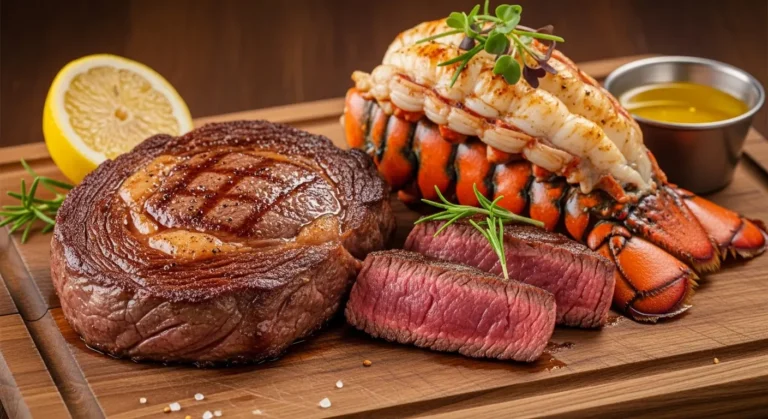
The Bone-In Ribeye (18 oz) is a premium cut of beef that offers an extraordinary flavor and tender texture that steak lovers can’t resist. Whether you’re cooking it on the grill, in the oven, or over a cast iron skillet, the bone-in ribeye is a favorite among both professional chefs and home cooks. This comprehensive guide delves into everything you need to know about the bone-in ribeye, from its preparation to cooking methods, and how to make the most of this delicious steak.
Understanding the Bone-In Ribeye (18 oz)
What Makes the Bone-In Ribeye Special?
The bone-in ribeye is a luxurious steak cut from the rib section of a cow. It’s known for its rich marbling, tenderness, and robust flavor. The bone adds to the steak’s appeal, enhancing both the flavor and presentation. The 18 oz size offers an ideal portion for an individual meal, making it the perfect choice for steak enthusiasts who enjoy a hearty serving.
Where Does the Bone-In Ribeye Come From?
This cut of beef comes from the rib primal, specifically the rib section between the 6th and 12th ribs. The bone-in version retains the rib bone, which not only contributes to the steak’s rich flavor but also helps in even cooking by retaining moisture and heat.
How the Bone Enhances Flavor
The bone acts as a conductor of heat during cooking, creating an even temperature throughout the steak. Additionally, as the meat cooks, the marrow within the bone infuses the meat with a deeper, richer taste, enhancing the overall flavor profile of the ribeye.
Size and Thickness of the 18 oz Ribeye
The 18 oz bone-in ribeye is a substantial cut that provides a satisfying meal. This size offers a perfect balance between tenderness and flavor, ensuring that the steak remains juicy and flavorful throughout. It is often considered a perfect serving for steak lovers who want a filling meal.
The Anatomy of a Bone-In Ribeye Steak
Ribeye vs. Other Steaks: What Sets It Apart?
The ribeye is known for its marbling—tiny streaks of fat running through the meat, which melt during cooking and result in a juicy, flavorful steak. Unlike other cuts like sirloin or flank steak, the ribeye’s marbling ensures that it remains moist and tender even when cooked to higher temperatures.

The Role of the Bone in Cooking
The bone in the ribeye serves both functional and aesthetic purposes. From a functional standpoint, the bone helps the steak cook more evenly and contributes to its flavor. Aesthetically, the bone enhances the presentation, making the steak more impressive when served.
Marbling: The Key to Tenderness
The marbling in the bone-in ribeye is one of its most appealing aspects. As the steak cooks, the fat melts, infusing the meat with moisture and richness. This results in a steak that is tender, juicy, and full of flavor, making it one of the most sought-after cuts of beef.
Texture and Mouthfeel of Bone-In Ribeye
The bone-in ribeye offers a luxurious mouthfeel, with a tender yet slightly chewy texture that highlights the quality of the beef. The fat adds an extra layer of richness that melts away with each bite, creating a velvety, savory experience that steak aficionados love.
Preparing the Bone-In Ribeye
Choosing the Right Cut
When selecting a bone-in ribeye, look for steaks that have a significant amount of marbling. The more marbling, the better the flavor and tenderness. You’ll also want to check that the steak has a thick, uniform cut, which ensures even cooking.
How to Season the Bone-In Ribeye
Seasoning is key to bringing out the natural flavors of the ribeye. A simple seasoning of salt and pepper works wonders, but you can also experiment with garlic powder, onion powder, and herbs like rosemary or thyme for an elevated taste. Let the steak sit at room temperature for about 30 minutes before cooking to ensure even seasoning.
Dry Aging vs. Wet Aging: What’s Best for Ribeye?
Dry aging enhances the steak’s flavor by concentrating its natural flavors and making the meat more tender. Wet aging, on the other hand, involves vacuum-sealing the steak and allowing it to age in its own juices. Both methods improve the quality of the ribeye, with dry aging providing a deeper, more intense flavor.
Prepping the Steak for Cooking
Before cooking, pat the steak dry with paper towels to remove excess moisture. This helps achieve a better sear. If grilling or pan-searing, apply a thin layer of oil to the steak and ensure your cooking surface is preheated to the right temperature to lock in the juices.
Cooking Methods for Bone-In Ribeye
Grilling the Perfect Bone-In Ribeye
Grilling is one of the best ways to cook a bone-in ribeye, as it imparts a smoky flavor that enhances the natural taste of the beef. Preheat your grill to high heat, then sear the steak for about 3-4 minutes per side. Reduce the heat to medium to continue cooking to your desired doneness.
Pan-Searing and Finishing in the Oven
Pan-searing the bone-in ribeye is a great way to develop a crispy, flavorful crust. Start by searing the steak in a hot cast-iron skillet for 2-3 minutes per side. Then, transfer the skillet to a preheated oven to finish cooking to your preferred temperature. This method ensures the steak stays juicy and tender.
Sous Vide Cooking for Consistent Results
Sous vide cooking involves sealing the steak in a vacuum bag and cooking it in a water bath at a precise temperature. This method guarantees even cooking throughout the steak, making it an excellent option for those seeking consistency. After sous vide cooking, sear the steak on high heat for 1-2 minutes to develop a crust.
Reverse Searing for a Perfect Finish
Reverse searing is a technique where the steak is first cooked in the oven at a low temperature, then seared in a hot skillet to create a flavorful crust. This method is ideal for achieving a perfect medium-rare or medium steak with an even doneness from edge to edge.
Pairing Wine with Bone-In Ribeye
Full-Bodied Red Wines
A full-bodied red wine, such as Cabernet Sauvignon, is a perfect match for a bone-in ribeye. The bold flavors of the wine complement the richness of the steak, while the tannins in the wine help balance the fat content.
Zinfandel for a Spicy Kick
For those who prefer a bit of spice in their wine, Zinfandel is an excellent choice. Its bold, fruity flavors and peppery notes pair well with the savory flavors of the ribeye, creating a harmonious balance on the palate.
Malbec for a Smoky Flavor
Malbec, with its deep, dark fruit flavors and smoky finish, is another great pairing for the bone-in ribeye. This wine’s smooth texture and smoky notes enhance the grilled or pan-seared ribeye, bringing out its savory richness.

Pairing with Rosé for a Lighter Option
If you prefer a lighter wine, a dry rosé can provide a refreshing contrast to the richness of the bone-in ribeye. Its crisp acidity cuts through the fattiness of the steak, offering a balanced and enjoyable meal.
Bone-In Ribeye Steak Side Dishes
Creamy Mashed Potatoes
Creamy mashed potatoes are a classic side dish that pairs perfectly with the richness of the bone-in ribeye. The buttery texture of the potatoes complements the juicy, tender meat, making for a comforting and satisfying meal.
Grilled Vegetables
Grilled vegetables, such as asparagus, bell peppers, and mushrooms, are a great accompaniment to the bone-in ribeye. The smoky flavor of the grilled vegetables enhances the steak’s natural taste, providing a balanced and healthy side dish.
Caesar Salad
A crisp Caesar salad with a tangy dressing offers a refreshing contrast to the rich steak. The crunch of the romaine lettuce and the creaminess of the dressing pair beautifully with the tender, flavorful ribeye.
Garlic Bread
Garlic bread is another popular side dish for ribeye steak. The crispy texture and rich garlic flavor complement the beef, providing an extra layer of flavor to your meal.
Bone-In Ribeye vs. Other Steak Cuts
Ribeye vs. Filet Mignon
While both the ribeye and filet mignon are prized steak cuts, they differ in texture and flavor. The ribeye has more marbling, resulting in a juicier and more flavorful steak, while the filet mignon is leaner and more tender with a subtle taste.
Ribeye vs. New York Strip
The New York Strip is a leaner cut compared to the ribeye, with less marbling. While the strip steak is still flavorful, it lacks the rich juiciness that the ribeye’s marbling provides. The ribeye’s tenderness and flavor make it the superior choice for many steak lovers.
Ribeye vs. Porterhouse
The porterhouse is a larger steak that includes both the tenderloin and the strip, while the ribeye is known for its intense marbling and rich flavor. While the porterhouse offers variety, the ribeye stands out for its sheer juiciness and texture.
Ribeye vs. T-Bone
Like the porterhouse, the T-bone steak includes both the strip and tenderloin but in smaller portions. While both cuts offer a great combination of flavors and textures, the ribeye’s higher marbling and tender fat make it a top contender for steak enthusiasts.
FAQs About Bone-In Ribeye (18 oz)
What is the best cooking method for a bone-in ribeye?
Grilling or pan-searing followed by finishing in the oven are the best methods for cooking a bone-in ribeye.
Should I marinate a bone-in ribeye before cooking?
Marinating is optional, but a simple seasoning of salt and pepper enhances the natural flavor of the ribeye without overpowering it.
How do I know when my ribeye is done?
Use a meat thermometer to check for doneness—130°F for medium-rare, 140°F for medium, and 150°F for medium-well.
Can I cook a bone-in ribeye in a slow cooker?
While it is possible, cooking a bone-in ribeye in a slow cooker may result in a less desirable texture. It’s best to cook it using high-heat methods like grilling or pan-searing.
What sides go well with bone-in ribeye?
Sides like mashed potatoes, grilled vegetables, Caesar salad, and garlic bread pair wonderfully with a bone-in ribeye.
Conclusion
The Bone-In Ribeye (18 oz) is a steak lover’s dream, combining rich marbling, tenderness, and unparalleled flavor. Whether grilled, pan-seared, or cooked sous vide, this cut offers a memorable eating experience. With the right preparation and cooking techniques, the bone-in ribeye can be the centerpiece of any meal.