The Melbourne Porterhouse (22 oz) is a premium cut of beef that delivers a perfect combination of tenderness, rich flavor, and a satisfying size. Whether you’re preparing it for a special occasion or indulging in a hearty meal, this 22 oz steak is sure to impress with its balanced tenderness and bold beefy flavor. In this guide, we’ll walk you through how to prepare, cook, and serve the ultimate Melbourne Porterhouse for an unforgettable dining experience. Understanding Melbourne Porterhouse (22 oz) What Is Porterhouse Steak? Porterhouse steak is a large cut of beef that includes both the tenderloin and the strip loin, separated by a T-shaped bone. This cut is essentially a combination of two beloved steak cuts in one, offering the buttery tenderness of the tenderloin and the bold flavor of the strip steak. The Melbourne Porterhouse (22 oz) is particularly popular for its generous portion size, making it a perfect choice for steak lovers who appreciate both size and flavor. Why the Melbourne Porterhouse is Special The Melbourne Porterhouse (22 oz) stands out because of its ample size and balanced mix of tenderness and richness. The tenderloin side is incredibly tender, while the strip side is more flavorful due to the marbling of fat. This steak is often chosen for its satisfying portion, making it ideal for those who want to share or enjoy a hearty steak experience. Porterhouse Versus T-Bone The main difference between a Porterhouse and a T-bone steak lies in the size of the tenderloin. Porterhouse steaks have a larger portion of tenderloin compared to T-bones. Both cuts are similar in that they have the T-shaped bone, but the Porterhouse offers a more substantial piece of the tenderloin, making it a more luxurious choice. The 22 oz Portion The 22 oz Porterhouse is a sizable cut of steak, typically designed for those with hearty appetites. It’s ideal for individuals who prefer a substantial steak or for sharing with others. The large portion size ensures that both the tenderloin and strip loin sides are enjoyed to their fullest, providing a rich and satisfying meal. Preparing Melbourne Porterhouse (22 oz) Thawing Frozen Porterhouse If you’re working with frozen Melbourne Porterhouse, it’s essential to thaw it properly to ensure even cooking. Place the steak in the refrigerator for 24-48 hours before cooking. This slow thawing process helps preserve the texture and flavor of the meat. Never thaw steak at room temperature, as this can lead to uneven cooking. Bringing the Steak to Room Temperature Before cooking, bring the steak to room temperature by letting it sit outside of the refrigerator for 30-45 minutes. This step ensures even cooking, as cooking a cold steak can result in the exterior overcooking while the interior remains undercooked. Seasoning the Porterhouse Porterhouse steaks, especially the 22 oz portion, benefit from simple seasoning that enhances their natural flavor. A generous sprinkle of kosher salt and freshly ground black pepper is all you need to bring out the best in this steak. If you prefer, you can add a dry rub of garlic powder, onion powder, smoked paprika, and fresh herbs such as rosemary or thyme for extra depth of flavor. Marinating the Porterhouse (Optional) While marinating is optional for Porterhouse steaks, it can add extra flavor and tenderness. A simple marinade made from olive oil, garlic, balsamic vinegar, and fresh herbs can help infuse the meat with delicious flavors. Marinate the steak for at least 2-4 hours, or up to overnight, for the best results. Keep in mind that because Porterhouse steaks are already flavorful, marinating is not always necessary. Cooking Melbourne Porterhouse (22 oz) Preheating the Grill or Pan Whether you’re grilling or pan-searing, it’s important to preheat your cooking surface to a high temperature. For grilling, set the grill to medium-high heat. If you’re cooking the Porterhouse on a stovetop, preheat your cast iron skillet over medium-high heat until it’s nice and hot. This ensures a great sear and crispy crust on the steak. Grilling the Porterhouse Grilling is one of the best methods for cooking Porterhouse, as it imparts a smoky flavor while allowing the steak to develop a beautiful crust. For the 22 oz Porterhouse, grill it for about 4-5 minutes per side to achieve medium-rare doneness. Here’s a quick guide for grilling to your preferred level of doneness: Rare: 120-125°F (about 2-3 minutes per side) Medium-rare: 130-135°F (about 4-5 minutes per side) Medium: 140-145°F (about 6-7 minutes per side) Medium-well: 150-155°F (8-9 minutes per side) Well-done: 160°F+ (10 minutes per side) Make sure to flip the steak only once during grilling to get the perfect crust. Pan-Seared Porterhouse For pan-searing, use a cast iron skillet, which retains heat well and produces a nice crust. Heat the skillet over medium-high heat and add a bit of oil with a high smoke point (such as vegetable or canola oil). Once the pan is hot, add the Porterhouse and sear each side for 4-5 minutes. After searing, reduce the heat and cook the steak for an additional 6-8 minutes, depending on the level of doneness you prefer. Using a Meat Thermometer The best way to check the doneness of your Porterhouse steak is by using a meat thermometer. Insert the thermometer into the thickest part of the steak, avoiding the bone, for an accurate reading. Rare: 120-125°F (49-52°C) Medium-rare: 130-135°F (54-57°C) Medium: 140-145°F (60-63°C) Medium-well: 150-155°F (66-68°C) Well done: 160°F+ (71°C+) Basting with Butter and Herbs For extra richness, baste the Porterhouse with a mixture of melted butter, garlic, and fresh herbs while it cooks. This adds an aromatic, flavorful finish to the steak and helps keep it moist. Resting the Steak Once your Porterhouse is cooked to perfection, allow it to rest for 10-15 minutes before slicing. This resting period helps the juices redistribute throughout the steak, ensuring a tender and juicy bite. Flavor Enhancements After Cooking Topping with Compound Butter After resting, consider topping your Porterhouse with a pat of compound butter. A butter mixture made with garlic, rosemary, thyme, or blue cheese adds a rich and aromatic finish to the steak. Allow the butter to melt over the hot steak for an extra layer of flavor. Drizzling with Steak Sauce or Au Jus For an added boost of flavor, drizzle the Porterhouse with a rich steak sauce or au jus made from the pan drippings. This adds depth and enhances the savory taste of the beef. Garnishing with Fresh Herbs To elevate the appearance and aroma of your steak, garnish it with fresh herbs such as parsley, thyme, or rosemary. The herbs add a burst of color and a fresh, aromatic note that enhances the overall dining experience. Side Dishes That Pair Perfectly with Melbourne Porterhouse (22 oz) Creamy Mashed Potatoes Mashed potatoes are the quintessential side dish to pair with Porterhouse. Their creamy texture complements the richness of the steak, making for a well-rounded meal. Consider adding garlic, cheese, or chives for extra flavor. Grilled Asparagus Grilled asparagus offers a slightly smoky flavor that pairs beautifully with the rich and juicy Porterhouse. The crisp-tender texture of asparagus provides a refreshing contrast to the tender beef. Roasted Vegetables Roasted vegetables like carrots, Brussels sprouts, and parsnips complement the steak with their earthy sweetness. The caramelized exterior and tender interior of the vegetables provide a delightful balance to the rich beef. Caesar Salad A fresh Caesar salad with crisp romaine, creamy dressing, and crunchy croutons provides a refreshing contrast to the heaviness of the Porterhouse. The tangy dressing helps cut through the richness of the beef. Grilled Corn on the Cob Grilled corn on the cob is a classic steakhouse side dish. Its sweetness and slight smokiness balance the bold flavor of the Porterhouse, creating a satisfying pairing. Wine and Beverage Pairings Bold Red Wines A full-bodied red wine like Cabernet Sauvignon, Merlot, or Malbec pairs perfectly with Porterhouse. The tannins in these wines help cut through the richness of the meat, while their bold flavors complement the beefy taste. Light Red Wines For a lighter wine, Pinot Noir offers a more subtle pairing. Its acidity and soft tannins provide a refreshing contrast to the richness of the steak. Craft Beer For beer lovers, a dark beer like a stout or porter offers a rich, malty flavor that complements the smoky, charred flavor of the grilled Porterhouse. The depth of the beer balances the savory richness of the meat. Non-Alcoholic Pairings Sparkling water with a squeeze of lemon or iced tea are refreshing non-alcoholic choices that cleanse the palate and pair well with the hearty flavor of Porterhouse steak. Common Mistakes to Avoid When Cooking Melbourne Porterhouse (22 oz) Overcooking the Steak Porterhouse steaks are best enjoyed medium-rare to medium. Overcooking them results in dry, tough meat. Use a meat thermometer to monitor the temperature and ensure it reaches your preferred level of doneness. Not Letting the Steak Rest Cutting into your Porterhouse too soon causes the juices to escape, leading to dry meat. Let the steak rest for 10-15 minutes before slicing to ensure the juices redistribute throughout the steak. Skipping the Searing Step Searing the steak creates a flavorful, crispy crust that enhances the overall taste. Don’t skip this step, as it adds a nice contrast to the tenderness of the Porterhouse. Using Too Much Seasoning Porterhouse steak is flavorful on its own, so it doesn’t need excessive seasoning. A simple rub of salt and pepper is often all you need to bring out the steak’s natural flavor. Storing and Reheating Leftovers Storing Leftover Porterhouse If you have leftover Porterhouse, store it in an airtight container in the refrigerator for up to 3 days. Make sure the steak is fully cooled before refrigerating to avoid bacteria growth. Reheating Tips To reheat the Porterhouse, place it in the oven at 300°F (150°C) for 10-15 minutes or until heated through. You can also reheat it in a skillet over low heat, adding a little butter to keep it moist. Creative Uses for Leftover Porterhouse Leftover Porterhouse can be used in sandwiches, salads, or pasta dishes. Its rich flavor makes it versatile and a great addition to many meals. FAQs How long does it take to cook a 22 oz Porterhouse? Grill or pan-sear the 22 oz Porterhouse for 4-5 minutes per side for medium-rare. Adjust cooking time based on your desired doneness. Should I marinate my Porterhouse? While not necessary, marinating the Porterhouse in olive oil, garlic, and herbs can enhance its flavor and tenderness. However, a simple seasoning of salt and pepper works well for this cut. How do I know when the Porterhouse is done? Use a meat thermometer to check the internal temperature. For medium-rare, it should reach 130°F (54°C), and for medium, it should reach 140°F (60°C). Can I cook the Porterhouse in the oven? Yes, you can sear the Porterhouse in a pan and then transfer it to a preheated oven to finish cooking. This method is especially effective for thicker steaks. How do I store leftover Porterhouse? Store leftover Porterhouse in an airtight container in the refrigerator for up to 3 days. For longer storage, wrap it tightly in plastic wrap or foil and freeze for up to 3 months. Conclusion The Melbourne Porterhouse (22 oz) offers an unparalleled steak experience with its perfect combination of tenderness, rich flavor, and generous portion size. Whether you’re grilling, pan-searing, or roasting it, using the right techniques ensures a flavorful and satisfying meal. Pair it with the right sides, sauces, and wine, and you’ll have a restaurant-quality experience at home. Enjoy this prime cut of beef and savor every bite of this indulgent steak!

The Melbourne Porterhouse (22 oz) is a premium cut of beef that delivers a perfect combination of tenderness, rich flavor, and a satisfying size. Whether you’re preparing it for a special occasion or indulging in a hearty meal, this 22 oz steak is sure to impress with its balanced tenderness and bold beefy flavor. In this guide, we’ll walk you through how to prepare, cook, and serve the ultimate Melbourne Porterhouse for an unforgettable dining experience.

Understanding Melbourne Porterhouse (22 oz)

What Is Porterhouse Steak?

Porterhouse steak is a large cut of beef that includes both the tenderloin and the strip loin, separated by a T-shaped bone. This cut is essentially a combination of two beloved steak cuts in one, offering the buttery tenderness of the tenderloin and the bold flavor of the strip steak. The Melbourne Porterhouse (22 oz) is particularly popular for its generous portion size, making it a perfect choice for steak lovers who appreciate both size and flavor.

Why the Melbourne Porterhouse is Special

The Melbourne Porterhouse (22 oz) stands out because of its ample size and balanced mix of tenderness and richness. The tenderloin side is incredibly tender, while the strip side is more flavorful due to the marbling of fat. This steak is often chosen for its satisfying portion, making it ideal for those who want to share or enjoy a hearty steak experience.

Porterhouse Versus T-Bone

The main difference between a Porterhouse and a T-bone steak lies in the size of the tenderloin. Porterhouse steaks have a larger portion of tenderloin compared to T-bones. Both cuts are similar in that they have the T-shaped bone, but the Porterhouse offers a more substantial piece of the tenderloin, making it a more luxurious choice.

The 22 oz Portion

The 22 oz Porterhouse is a sizable cut of steak, typically designed for those with hearty appetites. It’s ideal for individuals who prefer a substantial steak or for sharing with others. The large portion size ensures that both the tenderloin and strip loin sides are enjoyed to their fullest, providing a rich and satisfying meal.

Preparing Melbourne Porterhouse (22 oz)

Thawing Frozen Porterhouse

If you’re working with frozen Melbourne Porterhouse, it’s essential to thaw it properly to ensure even cooking. Place the steak in the refrigerator for 24-48 hours before cooking. This slow thawing process helps preserve the texture and flavor of the meat. Never thaw steak at room temperature, as this can lead to uneven cooking.

Bringing the Steak to Room Temperature

Before cooking, bring the steak to room temperature by letting it sit outside of the refrigerator for 30-45 minutes. This step ensures even cooking, as cooking a cold steak can result in the exterior overcooking while the interior remains undercooked.

Seasoning the Porterhouse

Porterhouse steaks, especially the 22 oz portion, benefit from simple seasoning that enhances their natural flavor. A generous sprinkle of kosher salt and freshly ground black pepper is all you need to bring out the best in this steak. If you prefer, you can add a dry rub of garlic powder, onion powder, smoked paprika, and fresh herbs such as rosemary or thyme for extra depth of flavor.

The Melbourne Porterhouse (22 oz) is a premium cut of beef that delivers a perfect combination of tenderness, rich flavor, and a satisfying size. Whether you’re preparing it for a special occasion or indulging in a hearty meal, this 22 oz steak is sure to impress with its balanced tenderness and bold beefy flavor. In this guide, we’ll walk you through how to prepare, cook, and serve the ultimate Melbourne Porterhouse for an unforgettable dining experience.
Understanding Melbourne Porterhouse (22 oz)
What Is Porterhouse Steak?
Porterhouse steak is a large cut of beef that includes both the tenderloin and the strip loin, separated by a T-shaped bone. This cut is essentially a combination of two beloved steak cuts in one, offering the buttery tenderness of the tenderloin and the bold flavor of the strip steak. The Melbourne Porterhouse (22 oz) is particularly popular for its generous portion size, making it a perfect choice for steak lovers who appreciate both size and flavor.
Why the Melbourne Porterhouse is Special
The Melbourne Porterhouse (22 oz) stands out because of its ample size and balanced mix of tenderness and richness. The tenderloin side is incredibly tender, while the strip side is more flavorful due to the marbling of fat. This steak is often chosen for its satisfying portion, making it ideal for those who want to share or enjoy a hearty steak experience.
Porterhouse Versus T-Bone
The main difference between a Porterhouse and a T-bone steak lies in the size of the tenderloin. Porterhouse steaks have a larger portion of tenderloin compared to T-bones. Both cuts are similar in that they have the T-shaped bone, but the Porterhouse offers a more substantial piece of the tenderloin, making it a more luxurious choice.
The 22 oz Portion
The 22 oz Porterhouse is a sizable cut of steak, typically designed for those with hearty appetites. It’s ideal for individuals who prefer a substantial steak or for sharing with others. The large portion size ensures that both the tenderloin and strip loin sides are enjoyed to their fullest, providing a rich and satisfying meal.
Preparing Melbourne Porterhouse (22 oz)
Thawing Frozen Porterhouse
If you’re working with frozen Melbourne Porterhouse, it’s essential to thaw it properly to ensure even cooking. Place the steak in the refrigerator for 24-48 hours before cooking. This slow thawing process helps preserve the texture and flavor of the meat. Never thaw steak at room temperature, as this can lead to uneven cooking.
Bringing the Steak to Room Temperature
Before cooking, bring the steak to room temperature by letting it sit outside of the refrigerator for 30-45 minutes. This step ensures even cooking, as cooking a cold steak can result in the exterior overcooking while the interior remains undercooked.
Seasoning the Porterhouse
Porterhouse steaks, especially the 22 oz portion, benefit from simple seasoning that enhances their natural flavor. A generous sprinkle of kosher salt and freshly ground black pepper is all you need to bring out the best in this steak. If you prefer, you can add a dry rub of garlic powder, onion powder, smoked paprika, and fresh herbs such as rosemary or thyme for extra depth of flavor.
Marinating the Porterhouse (Optional)
While marinating is optional for Porterhouse steaks, it can add extra flavor and tenderness. A simple marinade made from olive oil, garlic, balsamic vinegar, and fresh herbs can help infuse the meat with delicious flavors. Marinate the steak for at least 2-4 hours, or up to overnight, for the best results. Keep in mind that because Porterhouse steaks are already flavorful, marinating is not always necessary.
Cooking Melbourne Porterhouse (22 oz)
Preheating the Grill or Pan
Whether you’re grilling or pan-searing, it’s important to preheat your cooking surface to a high temperature. For grilling, set the grill to medium-high heat. If you’re cooking the Porterhouse on a stovetop, preheat your cast iron skillet over medium-high heat until it’s nice and hot. This ensures a great sear and crispy crust on the steak.
Grilling the Porterhouse
Grilling is one of the best methods for cooking Porterhouse, as it imparts a smoky flavor while allowing the steak to develop a beautiful crust. For the 22 oz Porterhouse, grill it for about 4-5 minutes per side to achieve medium-rare doneness. Here’s a quick guide for grilling to your preferred level of doneness:


Rare: 120-125°F (about 2-3 minutes per side)


Medium-rare: 130-135°F (about 4-5 minutes per side)


Medium: 140-145°F (about 6-7 minutes per side)


Medium-well: 150-155°F (8-9 minutes per side)


Well-done: 160°F+ (10 minutes per side)


Make sure to flip the steak only once during grilling to get the perfect crust.
Pan-Seared Porterhouse
For pan-searing, use a cast iron skillet, which retains heat well and produces a nice crust. Heat the skillet over medium-high heat and add a bit of oil with a high smoke point (such as vegetable or canola oil). Once the pan is hot, add the Porterhouse and sear each side for 4-5 minutes. After searing, reduce the heat and cook the steak for an additional 6-8 minutes, depending on the level of doneness you prefer.
Using a Meat Thermometer
The best way to check the doneness of your Porterhouse steak is by using a meat thermometer. Insert the thermometer into the thickest part of the steak, avoiding the bone, for an accurate reading.


Rare: 120-125°F (49-52°C)


Medium-rare: 130-135°F (54-57°C)


Medium: 140-145°F (60-63°C)


Medium-well: 150-155°F (66-68°C)


Well done: 160°F+ (71°C+)


Basting with Butter and Herbs
For extra richness, baste the Porterhouse with a mixture of melted butter, garlic, and fresh herbs while it cooks. This adds an aromatic, flavorful finish to the steak and helps keep it moist.
Resting the Steak
Once your Porterhouse is cooked to perfection, allow it to rest for 10-15 minutes before slicing. This resting period helps the juices redistribute throughout the steak, ensuring a tender and juicy bite.
Flavor Enhancements After Cooking
Topping with Compound Butter
After resting, consider topping your Porterhouse with a pat of compound butter. A butter mixture made with garlic, rosemary, thyme, or blue cheese adds a rich and aromatic finish to the steak. Allow the butter to melt over the hot steak for an extra layer of flavor.
Drizzling with Steak Sauce or Au Jus
For an added boost of flavor, drizzle the Porterhouse with a rich steak sauce or au jus made from the pan drippings. This adds depth and enhances the savory taste of the beef.
Garnishing with Fresh Herbs
To elevate the appearance and aroma of your steak, garnish it with fresh herbs such as parsley, thyme, or rosemary. The herbs add a burst of color and a fresh, aromatic note that enhances the overall dining experience.
Side Dishes That Pair Perfectly with Melbourne Porterhouse (22 oz)
Creamy Mashed Potatoes
Mashed potatoes are the quintessential side dish to pair with Porterhouse. Their creamy texture complements the richness of the steak, making for a well-rounded meal. Consider adding garlic, cheese, or chives for extra flavor.
Grilled Asparagus
Grilled asparagus offers a slightly smoky flavor that pairs beautifully with the rich and juicy Porterhouse. The crisp-tender texture of asparagus provides a refreshing contrast to the tender beef.
Roasted Vegetables
Roasted vegetables like carrots, Brussels sprouts, and parsnips complement the steak with their earthy sweetness. The caramelized exterior and tender interior of the vegetables provide a delightful balance to the rich beef.
Caesar Salad
A fresh Caesar salad with crisp romaine, creamy dressing, and crunchy croutons provides a refreshing contrast to the heaviness of the Porterhouse. The tangy dressing helps cut through the richness of the beef.
Grilled Corn on the Cob
Grilled corn on the cob is a classic steakhouse side dish. Its sweetness and slight smokiness balance the bold flavor of the Porterhouse, creating a satisfying pairing.
Wine and Beverage Pairings
Bold Red Wines
A full-bodied red wine like Cabernet Sauvignon, Merlot, or Malbec pairs perfectly with Porterhouse. The tannins in these wines help cut through the richness of the meat, while their bold flavors complement the beefy taste.
Light Red Wines
For a lighter wine, Pinot Noir offers a more subtle pairing. Its acidity and soft tannins provide a refreshing contrast to the richness of the steak.
Craft Beer
For beer lovers, a dark beer like a stout or porter offers a rich, malty flavor that complements the smoky, charred flavor of the grilled Porterhouse. The depth of the beer balances the savory richness of the meat.
Non-Alcoholic Pairings
Sparkling water with a squeeze of lemon or iced tea are refreshing non-alcoholic choices that cleanse the palate and pair well with the hearty flavor of Porterhouse steak.
Common Mistakes to Avoid When Cooking Melbourne Porterhouse (22 oz)
Overcooking the Steak
Porterhouse steaks are best enjoyed medium-rare to medium. Overcooking them results in dry, tough meat. Use a meat thermometer to monitor the temperature and ensure it reaches your preferred level of doneness.
Not Letting the Steak Rest
Cutting into your Porterhouse too soon causes the juices to escape, leading to dry meat. Let the steak rest for 10-15 minutes before slicing to ensure the juices redistribute throughout the steak.
Skipping the Searing Step
Searing the steak creates a flavorful, crispy crust that enhances the overall taste. Don’t skip this step, as it adds a nice contrast to the tenderness of the Porterhouse.
Using Too Much Seasoning
Porterhouse steak is flavorful on its own, so it doesn’t need excessive seasoning. A simple rub of salt and pepper is often all you need to bring out the steak’s natural flavor.
Storing and Reheating Leftovers
Storing Leftover Porterhouse
If you have leftover Porterhouse, store it in an airtight container in the refrigerator for up to 3 days. Make sure the steak is fully cooled before refrigerating to avoid bacteria growth.
Reheating Tips
To reheat the Porterhouse, place it in the oven at 300°F (150°C) for 10-15 minutes or until heated through. You can also reheat it in a skillet over low heat, adding a little butter to keep it moist.
Creative Uses for Leftover Porterhouse
Leftover Porterhouse can be used in sandwiches, salads, or pasta dishes. Its rich flavor makes it versatile and a great addition to many meals.
FAQs
How long does it take to cook a 22 oz Porterhouse?
Grill or pan-sear the 22 oz Porterhouse for 4-5 minutes per side for medium-rare. Adjust cooking time based on your desired doneness.
Should I marinate my Porterhouse?
While not necessary, marinating the Porterhouse in olive oil, garlic, and herbs can enhance its flavor and tenderness. However, a simple seasoning of salt and pepper works well for this cut.
How do I know when the Porterhouse is done?
Use a meat thermometer to check the internal temperature. For medium-rare, it should reach 130°F (54°C), and for medium, it should reach 140°F (60°C).
Can I cook the Porterhouse in the oven?
Yes, you can sear the Porterhouse in a pan and then transfer it to a preheated oven to finish cooking. This method is especially effective for thicker steaks.
How do I store leftover Porterhouse?
Store leftover Porterhouse in an airtight container in the refrigerator for up to 3 days. For longer storage, wrap it tightly in plastic wrap or foil and freeze for up to 3 months.
Conclusion
The Melbourne Porterhouse (22 oz) offers an unparalleled steak experience with its perfect combination of tenderness, rich flavor, and generous portion size. Whether you’re grilling, pan-searing, or roasting it, using the right techniques ensures a flavorful and satisfying meal. Pair it with the right sides, sauces, and wine, and you’ll have a restaurant-quality experience at home. Enjoy this prime cut of beef and savor every bite of this indulgent steak!


Marinating the Porterhouse (Optional)

While marinating is optional for Porterhouse steaks, it can add extra flavor and tenderness. A simple marinade made from olive oil, garlic, balsamic vinegar, and fresh herbs can help infuse the meat with delicious flavors. Marinate the steak for at least 2-4 hours, or up to overnight, for the best results. Keep in mind that because Porterhouse steaks are already flavorful, marinating is not always necessary.

Cooking Melbourne Porterhouse (22 oz)

Preheating the Grill or Pan

Whether you’re grilling or pan-searing, it’s important to preheat your cooking surface to a high temperature. For grilling, set the grill to medium-high heat. If you’re cooking the Porterhouse on a stovetop, preheat your cast iron skillet over medium-high heat until it’s nice and hot. This ensures a great sear and crispy crust on the steak.

Grilling the Porterhouse

Grilling is one of the best methods for cooking Porterhouse, as it imparts a smoky flavor while allowing the steak to develop a beautiful crust. For the 22 oz Porterhouse, grill it for about 4-5 minutes per side to achieve medium-rare doneness. Here’s a quick guide for grilling to your preferred level of doneness:

  • Rare: 120-125°F (about 2-3 minutes per side)
  • Medium-rare: 130-135°F (about 4-5 minutes per side)
  • Medium: 140-145°F (about 6-7 minutes per side)
  • Medium-well: 150-155°F (8-9 minutes per side)
  • Well-done: 160°F+ (10 minutes per side)

Make sure to flip the steak only once during grilling to get the perfect crust.

Pan-Seared Porterhouse

For pan-searing, use a cast iron skillet, which retains heat well and produces a nice crust. Heat the skillet over medium-high heat and add a bit of oil with a high smoke point (such as vegetable or canola oil). Once the pan is hot, add the Porterhouse and sear each side for 4-5 minutes. After searing, reduce the heat and cook the steak for an additional 6-8 minutes, depending on the level of doneness you prefer.

Using a Meat Thermometer

The best way to check the doneness of your Porterhouse steak is by using a meat thermometer. Insert the thermometer into the thickest part of the steak, avoiding the bone, for an accurate reading.

  • Rare: 120-125°F (49-52°C)
  • Medium-rare: 130-135°F (54-57°C)
  • Medium: 140-145°F (60-63°C)
  • Medium-well: 150-155°F (66-68°C)
  • Well done: 160°F+ (71°C+)

Basting with Butter and Herbs

For extra richness, baste the Porterhouse with a mixture of melted butter, garlic, and fresh herbs while it cooks. This adds an aromatic, flavorful finish to the steak and helps keep it moist.

Resting the Steak

Once your Porterhouse is cooked to perfection, allow it to rest for 10-15 minutes before slicing. This resting period helps the juices redistribute throughout the steak, ensuring a tender and juicy bite.

Flavor Enhancements After Cooking

Topping with Compound Butter

After resting, consider topping your Porterhouse with a pat of compound butter. A butter mixture made with garlic, rosemary, thyme, or blue cheese adds a rich and aromatic finish to the steak. Allow the butter to melt over the hot steak for an extra layer of flavor.

Drizzling with Steak Sauce or Au Jus

For an added boost of flavor, drizzle the Porterhouse with a rich steak sauce or au jus made from the pan drippings. This adds depth and enhances the savory taste of the beef.

Garnishing with Fresh Herbs

To elevate the appearance and aroma of your steak, garnish it with fresh herbs such as parsley, thyme, or rosemary. The herbs add a burst of color and a fresh, aromatic note that enhances the overall dining experience.

Side Dishes That Pair Perfectly with Melbourne Porterhouse (22 oz)

Creamy Mashed Potatoes

Mashed potatoes are the quintessential side dish to pair with Porterhouse. Their creamy texture complements the richness of the steak, making for a well-rounded meal. Consider adding garlic, cheese, or chives for extra flavor.

Grilled Asparagus

Grilled asparagus offers a slightly smoky flavor that pairs beautifully with the rich and juicy Porterhouse. The crisp-tender texture of asparagus provides a refreshing contrast to the tender beef.

Roasted Vegetables

Roasted vegetables like carrots, Brussels sprouts, and parsnips complement the steak with their earthy sweetness. The caramelized exterior and tender interior of the vegetables provide a delightful balance to the rich beef.

Caesar Salad

A fresh Caesar salad with crisp romaine, creamy dressing, and crunchy croutons provides a refreshing contrast to the heaviness of the Porterhouse. The tangy dressing helps cut through the richness of the beef.

Grilled Corn on the Cob

Grilled corn on the cob is a classic steakhouse side dish. Its sweetness and slight smokiness balance the bold flavor of the Porterhouse, creating a satisfying pairing.

Wine and Beverage Pairings

Bold Red Wines

A full-bodied red wine like Cabernet Sauvignon, Merlot, or Malbec pairs perfectly with Porterhouse. The tannins in these wines help cut through the richness of the meat, while their bold flavors complement the beefy taste.

Light Red Wines

For a lighter wine, Pinot Noir offers a more subtle pairing. Its acidity and soft tannins provide a refreshing contrast to the richness of the steak.

The Melbourne Porterhouse (22 oz) is a premium cut of beef that delivers a perfect combination of tenderness, rich flavor, and a satisfying size. Whether you’re preparing it for a special occasion or indulging in a hearty meal, this 22 oz steak is sure to impress with its balanced tenderness and bold beefy flavor. In this guide, we’ll walk you through how to prepare, cook, and serve the ultimate Melbourne Porterhouse for an unforgettable dining experience.
Understanding Melbourne Porterhouse (22 oz)
What Is Porterhouse Steak?
Porterhouse steak is a large cut of beef that includes both the tenderloin and the strip loin, separated by a T-shaped bone. This cut is essentially a combination of two beloved steak cuts in one, offering the buttery tenderness of the tenderloin and the bold flavor of the strip steak. The Melbourne Porterhouse (22 oz) is particularly popular for its generous portion size, making it a perfect choice for steak lovers who appreciate both size and flavor.
Why the Melbourne Porterhouse is Special
The Melbourne Porterhouse (22 oz) stands out because of its ample size and balanced mix of tenderness and richness. The tenderloin side is incredibly tender, while the strip side is more flavorful due to the marbling of fat. This steak is often chosen for its satisfying portion, making it ideal for those who want to share or enjoy a hearty steak experience.
Porterhouse Versus T-Bone
The main difference between a Porterhouse and a T-bone steak lies in the size of the tenderloin. Porterhouse steaks have a larger portion of tenderloin compared to T-bones. Both cuts are similar in that they have the T-shaped bone, but the Porterhouse offers a more substantial piece of the tenderloin, making it a more luxurious choice.
The 22 oz Portion
The 22 oz Porterhouse is a sizable cut of steak, typically designed for those with hearty appetites. It’s ideal for individuals who prefer a substantial steak or for sharing with others. The large portion size ensures that both the tenderloin and strip loin sides are enjoyed to their fullest, providing a rich and satisfying meal.
Preparing Melbourne Porterhouse (22 oz)
Thawing Frozen Porterhouse
If you’re working with frozen Melbourne Porterhouse, it’s essential to thaw it properly to ensure even cooking. Place the steak in the refrigerator for 24-48 hours before cooking. This slow thawing process helps preserve the texture and flavor of the meat. Never thaw steak at room temperature, as this can lead to uneven cooking.
Bringing the Steak to Room Temperature
Before cooking, bring the steak to room temperature by letting it sit outside of the refrigerator for 30-45 minutes. This step ensures even cooking, as cooking a cold steak can result in the exterior overcooking while the interior remains undercooked.
Seasoning the Porterhouse
Porterhouse steaks, especially the 22 oz portion, benefit from simple seasoning that enhances their natural flavor. A generous sprinkle of kosher salt and freshly ground black pepper is all you need to bring out the best in this steak. If you prefer, you can add a dry rub of garlic powder, onion powder, smoked paprika, and fresh herbs such as rosemary or thyme for extra depth of flavor.
Marinating the Porterhouse (Optional)
While marinating is optional for Porterhouse steaks, it can add extra flavor and tenderness. A simple marinade made from olive oil, garlic, balsamic vinegar, and fresh herbs can help infuse the meat with delicious flavors. Marinate the steak for at least 2-4 hours, or up to overnight, for the best results. Keep in mind that because Porterhouse steaks are already flavorful, marinating is not always necessary.
Cooking Melbourne Porterhouse (22 oz)
Preheating the Grill or Pan
Whether you’re grilling or pan-searing, it’s important to preheat your cooking surface to a high temperature. For grilling, set the grill to medium-high heat. If you’re cooking the Porterhouse on a stovetop, preheat your cast iron skillet over medium-high heat until it’s nice and hot. This ensures a great sear and crispy crust on the steak.
Grilling the Porterhouse
Grilling is one of the best methods for cooking Porterhouse, as it imparts a smoky flavor while allowing the steak to develop a beautiful crust. For the 22 oz Porterhouse, grill it for about 4-5 minutes per side to achieve medium-rare doneness. Here’s a quick guide for grilling to your preferred level of doneness:


Rare: 120-125°F (about 2-3 minutes per side)


Medium-rare: 130-135°F (about 4-5 minutes per side)


Medium: 140-145°F (about 6-7 minutes per side)


Medium-well: 150-155°F (8-9 minutes per side)


Well-done: 160°F+ (10 minutes per side)


Make sure to flip the steak only once during grilling to get the perfect crust.
Pan-Seared Porterhouse
For pan-searing, use a cast iron skillet, which retains heat well and produces a nice crust. Heat the skillet over medium-high heat and add a bit of oil with a high smoke point (such as vegetable or canola oil). Once the pan is hot, add the Porterhouse and sear each side for 4-5 minutes. After searing, reduce the heat and cook the steak for an additional 6-8 minutes, depending on the level of doneness you prefer.
Using a Meat Thermometer
The best way to check the doneness of your Porterhouse steak is by using a meat thermometer. Insert the thermometer into the thickest part of the steak, avoiding the bone, for an accurate reading.


Rare: 120-125°F (49-52°C)


Medium-rare: 130-135°F (54-57°C)


Medium: 140-145°F (60-63°C)


Medium-well: 150-155°F (66-68°C)


Well done: 160°F+ (71°C+)


Basting with Butter and Herbs
For extra richness, baste the Porterhouse with a mixture of melted butter, garlic, and fresh herbs while it cooks. This adds an aromatic, flavorful finish to the steak and helps keep it moist.
Resting the Steak
Once your Porterhouse is cooked to perfection, allow it to rest for 10-15 minutes before slicing. This resting period helps the juices redistribute throughout the steak, ensuring a tender and juicy bite.
Flavor Enhancements After Cooking
Topping with Compound Butter
After resting, consider topping your Porterhouse with a pat of compound butter. A butter mixture made with garlic, rosemary, thyme, or blue cheese adds a rich and aromatic finish to the steak. Allow the butter to melt over the hot steak for an extra layer of flavor.
Drizzling with Steak Sauce or Au Jus
For an added boost of flavor, drizzle the Porterhouse with a rich steak sauce or au jus made from the pan drippings. This adds depth and enhances the savory taste of the beef.
Garnishing with Fresh Herbs
To elevate the appearance and aroma of your steak, garnish it with fresh herbs such as parsley, thyme, or rosemary. The herbs add a burst of color and a fresh, aromatic note that enhances the overall dining experience.
Side Dishes That Pair Perfectly with Melbourne Porterhouse (22 oz)
Creamy Mashed Potatoes
Mashed potatoes are the quintessential side dish to pair with Porterhouse. Their creamy texture complements the richness of the steak, making for a well-rounded meal. Consider adding garlic, cheese, or chives for extra flavor.
Grilled Asparagus
Grilled asparagus offers a slightly smoky flavor that pairs beautifully with the rich and juicy Porterhouse. The crisp-tender texture of asparagus provides a refreshing contrast to the tender beef.
Roasted Vegetables
Roasted vegetables like carrots, Brussels sprouts, and parsnips complement the steak with their earthy sweetness. The caramelized exterior and tender interior of the vegetables provide a delightful balance to the rich beef.
Caesar Salad
A fresh Caesar salad with crisp romaine, creamy dressing, and crunchy croutons provides a refreshing contrast to the heaviness of the Porterhouse. The tangy dressing helps cut through the richness of the beef.
Grilled Corn on the Cob
Grilled corn on the cob is a classic steakhouse side dish. Its sweetness and slight smokiness balance the bold flavor of the Porterhouse, creating a satisfying pairing.
Wine and Beverage Pairings
Bold Red Wines
A full-bodied red wine like Cabernet Sauvignon, Merlot, or Malbec pairs perfectly with Porterhouse. The tannins in these wines help cut through the richness of the meat, while their bold flavors complement the beefy taste.
Light Red Wines
For a lighter wine, Pinot Noir offers a more subtle pairing. Its acidity and soft tannins provide a refreshing contrast to the richness of the steak.
Craft Beer
For beer lovers, a dark beer like a stout or porter offers a rich, malty flavor that complements the smoky, charred flavor of the grilled Porterhouse. The depth of the beer balances the savory richness of the meat.
Non-Alcoholic Pairings
Sparkling water with a squeeze of lemon or iced tea are refreshing non-alcoholic choices that cleanse the palate and pair well with the hearty flavor of Porterhouse steak.
Common Mistakes to Avoid When Cooking Melbourne Porterhouse (22 oz)
Overcooking the Steak
Porterhouse steaks are best enjoyed medium-rare to medium. Overcooking them results in dry, tough meat. Use a meat thermometer to monitor the temperature and ensure it reaches your preferred level of doneness.
Not Letting the Steak Rest
Cutting into your Porterhouse too soon causes the juices to escape, leading to dry meat. Let the steak rest for 10-15 minutes before slicing to ensure the juices redistribute throughout the steak.
Skipping the Searing Step
Searing the steak creates a flavorful, crispy crust that enhances the overall taste. Don’t skip this step, as it adds a nice contrast to the tenderness of the Porterhouse.
Using Too Much Seasoning
Porterhouse steak is flavorful on its own, so it doesn’t need excessive seasoning. A simple rub of salt and pepper is often all you need to bring out the steak’s natural flavor.
Storing and Reheating Leftovers
Storing Leftover Porterhouse
If you have leftover Porterhouse, store it in an airtight container in the refrigerator for up to 3 days. Make sure the steak is fully cooled before refrigerating to avoid bacteria growth.
Reheating Tips
To reheat the Porterhouse, place it in the oven at 300°F (150°C) for 10-15 minutes or until heated through. You can also reheat it in a skillet over low heat, adding a little butter to keep it moist.
Creative Uses for Leftover Porterhouse
Leftover Porterhouse can be used in sandwiches, salads, or pasta dishes. Its rich flavor makes it versatile and a great addition to many meals.
FAQs
How long does it take to cook a 22 oz Porterhouse?
Grill or pan-sear the 22 oz Porterhouse for 4-5 minutes per side for medium-rare. Adjust cooking time based on your desired doneness.
Should I marinate my Porterhouse?
While not necessary, marinating the Porterhouse in olive oil, garlic, and herbs can enhance its flavor and tenderness. However, a simple seasoning of salt and pepper works well for this cut.
How do I know when the Porterhouse is done?
Use a meat thermometer to check the internal temperature. For medium-rare, it should reach 130°F (54°C), and for medium, it should reach 140°F (60°C).
Can I cook the Porterhouse in the oven?
Yes, you can sear the Porterhouse in a pan and then transfer it to a preheated oven to finish cooking. This method is especially effective for thicker steaks.
How do I store leftover Porterhouse?
Store leftover Porterhouse in an airtight container in the refrigerator for up to 3 days. For longer storage, wrap it tightly in plastic wrap or foil and freeze for up to 3 months.
Conclusion
The Melbourne Porterhouse (22 oz) offers an unparalleled steak experience with its perfect combination of tenderness, rich flavor, and generous portion size. Whether you’re grilling, pan-searing, or roasting it, using the right techniques ensures a flavorful and satisfying meal. Pair it with the right sides, sauces, and wine, and you’ll have a restaurant-quality experience at home. Enjoy this prime cut of beef and savor every bite of this indulgent steak!
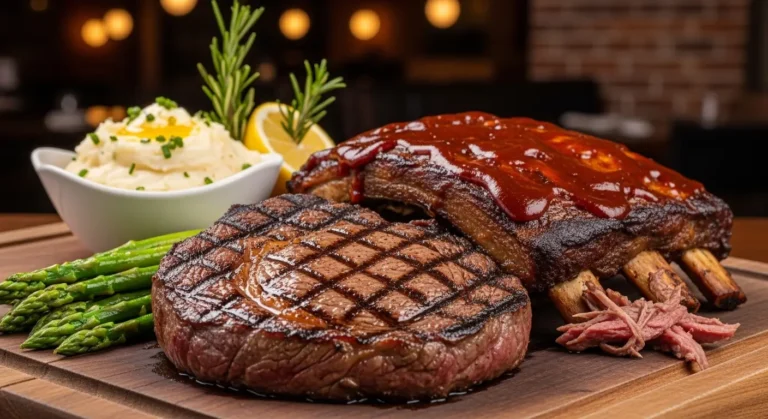
Craft Beer

For beer lovers, a dark beer like a stout or porter offers a rich, malty flavor that complements the smoky, charred flavor of the grilled Porterhouse. The depth of the beer balances the savory richness of the meat.

Non-Alcoholic Pairings

Sparkling water with a squeeze of lemon or iced tea are refreshing non-alcoholic choices that cleanse the palate and pair well with the hearty flavor of Porterhouse steak.

Common Mistakes to Avoid When Cooking Melbourne Porterhouse (22 oz)

Overcooking the Steak

Porterhouse steaks are best enjoyed medium-rare to medium. Overcooking them results in dry, tough meat. Use a meat thermometer to monitor the temperature and ensure it reaches your preferred level of doneness.

Not Letting the Steak Rest

Cutting into your Porterhouse too soon causes the juices to escape, leading to dry meat. Let the steak rest for 10-15 minutes before slicing to ensure the juices redistribute throughout the steak.

Skipping the Searing Step

Searing the steak creates a flavorful, crispy crust that enhances the overall taste. Don’t skip this step, as it adds a nice contrast to the tenderness of the Porterhouse.

Using Too Much Seasoning

Porterhouse steak is flavorful on its own, so it doesn’t need excessive seasoning. A simple rub of salt and pepper is often all you need to bring out the steak’s natural flavor.

Storing and Reheating Leftovers

Storing Leftover Porterhouse

If you have leftover Porterhouse, store it in an airtight container in the refrigerator for up to 3 days. Make sure the steak is fully cooled before refrigerating to avoid bacteria growth.

Reheating Tips

To reheat the Porterhouse, place it in the oven at 300°F (150°C) for 10-15 minutes or until heated through. You can also reheat it in a skillet over low heat, adding a little butter to keep it moist.

Creative Uses for Leftover Porterhouse

Leftover Porterhouse can be used in sandwiches, salads, or pasta dishes. Its rich flavor makes it versatile and a great addition to many meals.

FAQs

How long does it take to cook a 22 oz Porterhouse?

Grill or pan-sear the 22 oz Porterhouse for 4-5 minutes per side for medium-rare. Adjust cooking time based on your desired doneness.

Should I marinate my Porterhouse?

While not necessary, marinating the Porterhouse in olive oil, garlic, and herbs can enhance its flavor and tenderness. However, a simple seasoning of salt and pepper works well for this cut.

How do I know when the Porterhouse is done?

Use a meat thermometer to check the internal temperature. For medium-rare, it should reach 130°F (54°C), and for medium, it should reach 140°F (60°C).

Can I cook the Porterhouse in the oven?

Yes, you can sear the Porterhouse in a pan and then transfer it to a preheated oven to finish cooking. This method is especially effective for thicker steaks.

How do I store leftover Porterhouse?

Store leftover Porterhouse in an airtight container in the refrigerator for up to 3 days. For longer storage, wrap it tightly in plastic wrap or foil and freeze for up to 3 months.

Conclusion

The Melbourne Porterhouse (22 oz) offers an unparalleled steak experience with its perfect combination of tenderness, rich flavor, and generous portion size. Whether you’re grilling, pan-searing, or roasting it, using the right techniques ensures a flavorful and satisfying meal. Pair it with the right sides, sauces, and wine, and you’ll have a restaurant-quality experience at home. Enjoy this prime cut of beef and savor every bite of this indulgent steak!

Similar Posts

Leave a Reply

Your email address will not be published. Required fields are marked *