Kids pasta is one of the most loved comfort foods for children because it combines taste, texture, and creativity in a single bowl while offering endless possibilities for nutrition and fun. From colorful vegetable sauces to playful pasta shapes, it allows parents to balance flavor and health without compromising on what children enjoy. This comprehensive guide explores everything you need to know about choosing, preparing, and serving pasta meals that are both exciting and nourishing for kids.
Nutritional Benefits of Kids Pasta
Carbohydrates for Energy
Pasta is a rich source of complex carbohydrates that provide steady energy for growing children throughout the day. Active kids need fuel for school, sports, and play, and pasta offers sustained energy without causing rapid sugar spikes. When paired with protein and vegetables, it becomes a balanced meal that supports overall development.
Fiber for Digestive Health
Whole wheat pasta varieties contain dietary fiber that supports healthy digestion and prevents common childhood constipation. Fiber also helps children feel full for longer periods, reducing unnecessary snacking between meals. Introducing fiber rich pasta early can build strong digestive habits for life.
Protein Pairing for Growth
While pasta itself contains moderate protein, combining it with beans, lentils, chicken, or cheese enhances its nutritional value. Protein is essential for muscle growth, tissue repair, and immune function in children. Smart combinations transform a simple pasta dish into a wholesome growth supporting meal.
Essential Vitamins and Minerals
Fortified pasta often contains important nutrients such as iron and B vitamins that contribute to brain development and red blood cell formation. Adding vegetables like spinach, carrots, or peas increases the vitamin content significantly. This makes pasta an excellent vehicle for delivering hidden nutrition.
Choosing the Right Pasta for Kids
Whole Wheat Versus Refined Pasta
Whole wheat pasta offers more fiber and nutrients compared to refined versions, making it a healthier everyday choice. However, some children may initially prefer the softer texture of refined pasta. Gradually mixing both types can help transition kids toward healthier options.
Gluten Free Options
For children with gluten sensitivity or celiac disease, gluten free pasta made from rice, corn, or lentils is a safe alternative. These options maintain a similar taste and texture while protecting digestive health. Parents can ensure inclusion without compromising flavor or experience.
Fun Shaped Pasta
Shapes like stars, alphabets, and animals make meals visually exciting and encourage picky eaters to participate. Children often eat more willingly when food looks playful and interactive. Creative shapes turn dinner into an engaging activity rather than a routine task.
Portion Size Considerations
Serving appropriate portion sizes ensures children receive enough nutrients without overeating. Smaller bowls help control portions while preventing food waste. Understanding age appropriate servings builds healthy eating habits early in life.
Popular Kids Pasta Recipes
Classic Tomato Pasta
Tomato pasta remains a timeless favorite due to its mild sweetness and comforting taste. Using fresh tomatoes, garlic, and olive oil creates a healthier homemade sauce compared to packaged alternatives. A sprinkle of cheese on top adds creaminess that kids adore.
Creamy Cheese Pasta
Cheese based pasta delivers a rich and satisfying flavor that appeals strongly to children. Using real cheese combined with milk creates a smooth sauce without excessive additives. Adding finely chopped vegetables can boost nutrition without altering taste significantly.
Veggie Loaded Pasta
Blending vegetables into sauces is an effective strategy for increasing nutrient intake. Pureed carrots, spinach, or pumpkin can be seamlessly mixed into tomato or cream sauces. Kids enjoy the familiar flavor while unknowingly benefiting from added vitamins.
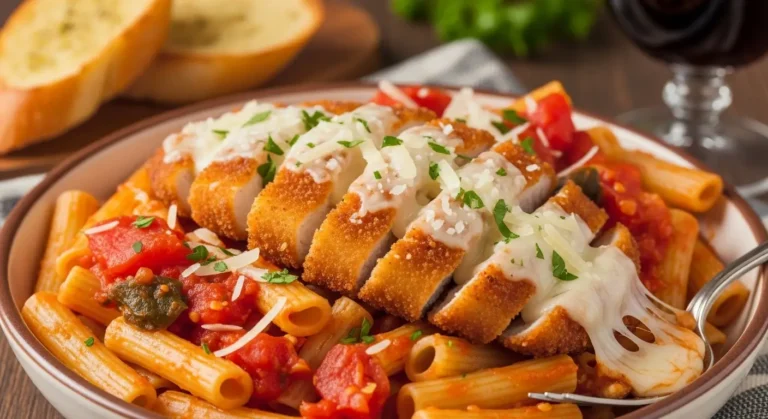
Chicken and Pasta Bowl
Adding shredded chicken transforms pasta into a protein rich main course. The soft texture of chicken pairs well with creamy or tomato based sauces. This combination supports growth and keeps children satisfied for longer periods.
Making Pasta Healthy for Kids
Reducing Excess Salt
Commercial sauces often contain high amounts of sodium that may not be ideal for young children. Preparing sauces at home allows better control over salt levels. Natural herbs and spices can enhance flavor without relying on excessive salt.
Limiting Processed Cheese
While cheese is popular among kids, processed varieties may contain additives and preservatives. Choosing natural cheese and using moderate portions keeps meals balanced. This ensures flavor without unnecessary processed ingredients.

Adding Hidden Vegetables
Finely chopping or blending vegetables into sauces increases nutrient density without resistance from picky eaters. Bright vegetables like carrots and bell peppers add natural sweetness and color. Over time children may develop acceptance for visible vegetables as well.
Choosing Healthy Cooking Methods
Boiling pasta properly and avoiding heavy frying preserves its nutritional value. Using olive oil instead of butter can improve heart health benefits. Simple cooking techniques make pasta both tasty and nutritious.
Tips for Picky Eaters
Involving Kids in Cooking
Allowing children to help choose pasta shapes or stir sauces increases their interest in eating. Participation builds curiosity and reduces mealtime resistance. Kids are more likely to try dishes they helped create.
Creating Colorful Plates
Using vibrant vegetables and attractive plating can make meals more appealing. Visual presentation plays a significant role in a child willingness to eat. A colorful bowl feels fun rather than intimidating.
Introducing New Flavors Gradually
Sudden changes in taste can cause rejection among young eaters. Gradually mixing new ingredients with familiar flavors encourages acceptance. Patience and consistency are key when expanding a child palate.
Keeping Portions Manageable
Large portions may overwhelm children and reduce appetite. Offering smaller servings with the option for seconds builds confidence. This approach reduces pressure and improves overall mealtime experience.
Quick Pasta Meals for Busy Parents
One Pot Pasta Dishes
One pot pasta recipes simplify cooking and reduce cleanup time. Cooking pasta and sauce together enhances flavor absorption. Busy parents can prepare nutritious meals efficiently without sacrificing quality.
Make Ahead Pasta Sauces
Preparing sauces in advance and storing them in the refrigerator saves valuable time during weekdays. Freshly boiled pasta can be combined quickly for instant meals. This strategy ensures healthy dinners even on hectic days.
Lunchbox Friendly Pasta
Cold pasta salads with vegetables and light dressing make excellent school lunch options. They are easy to pack and remain tasty even after a few hours. Including protein like beans or chicken increases nutritional value.
Freezer Friendly Options
Certain pasta dishes can be prepared in bulk and frozen for future use. Reheating them properly preserves taste and texture. This helps parents maintain consistency in meal planning.
Cultural Variations of Kids Pasta
Italian Inspired Pasta
Traditional Italian recipes emphasize simple ingredients and balanced flavors. Fresh tomatoes, basil, and olive oil create authentic yet kid friendly meals. These dishes celebrate quality ingredients and natural taste.

American Style Macaroni
Creamy macaroni and cheese is a staple in many households. While indulgent, it can be made healthier with whole wheat pasta and real cheese. Moderation ensures enjoyment without excess.
Asian Fusion Pasta
Incorporating soy sauce, sesame oil, and vegetables introduces children to global flavors. Mild seasoning keeps dishes approachable. Fusion recipes expand culinary exposure in an enjoyable way.
Mediterranean Influences
Mediterranean pasta often includes olives, tomatoes, and herbs that offer both flavor and nutrition. Using olive oil and fresh produce enhances health benefits. This style promotes heart healthy eating habits from a young age.
Building Healthy Eating Habits with Pasta
Balanced Meal Planning
Combining pasta with vegetables, protein, and healthy fats ensures nutritional completeness. A balanced plate supports long term health and development. Thoughtful planning transforms pasta into a wholesome family meal.
Encouraging Mindful Eating
Teaching children to eat slowly and recognize fullness cues builds healthy relationships with food. Pasta meals provide opportunities for relaxed family dining. Positive experiences create lasting habits.
Avoiding Excess Sugar Sauces
Some packaged sauces may contain hidden sugars that are unnecessary for children. Reading labels and choosing natural ingredients prevents excess intake. Homemade alternatives offer better nutritional control.
Promoting Family Mealtime
Sharing pasta dinners as a family strengthens bonds and encourages healthy communication. Children learn eating behaviors by observing adults. Regular family meals support emotional and physical well being.
Frequently Asked Questions
Is pasta healthy for kids
Yes, when paired with vegetables and protein, pasta can be a nutritious and balanced meal for children.
How often can kids eat pasta
Kids can enjoy pasta several times a week as part of a varied and balanced diet.
Which pasta is best for toddlers
Small shapes made from whole wheat or fortified flour are ideal for toddlers due to easier chewing and added nutrients.
Can I add vegetables to pasta without my child noticing
Yes, blending vegetables into sauces is an effective way to increase nutrition without changing the taste significantly.
Is cheese pasta safe for daily meals
Cheese pasta can be included regularly in moderation, especially when made with natural cheese and balanced with vegetables.
Conclusion
Kids pasta offers a perfect combination of taste, versatility, and nutrition when prepared thoughtfully. By choosing healthier ingredients and involving children in meal preparation, parents can turn pasta into a powerful tool for balanced eating. With creativity and mindful planning, pasta becomes more than a meal since it becomes a foundation for healthy habits and joyful family moments.